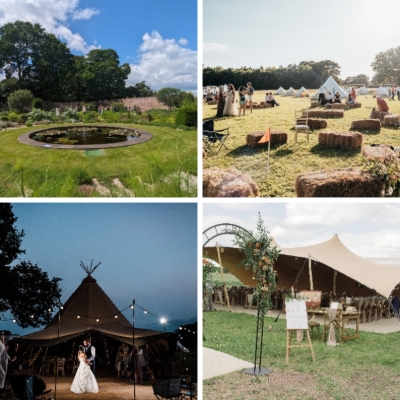
Local supplier spotlight: Escrick Park Estate
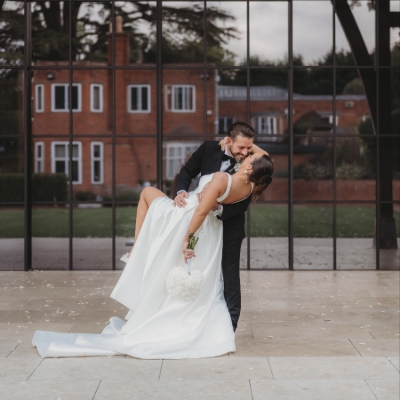
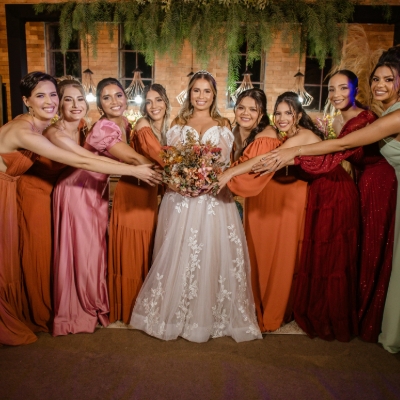
Escrick Park Estate offers an enchanting setting for couples looking to design a truly personal wedding...

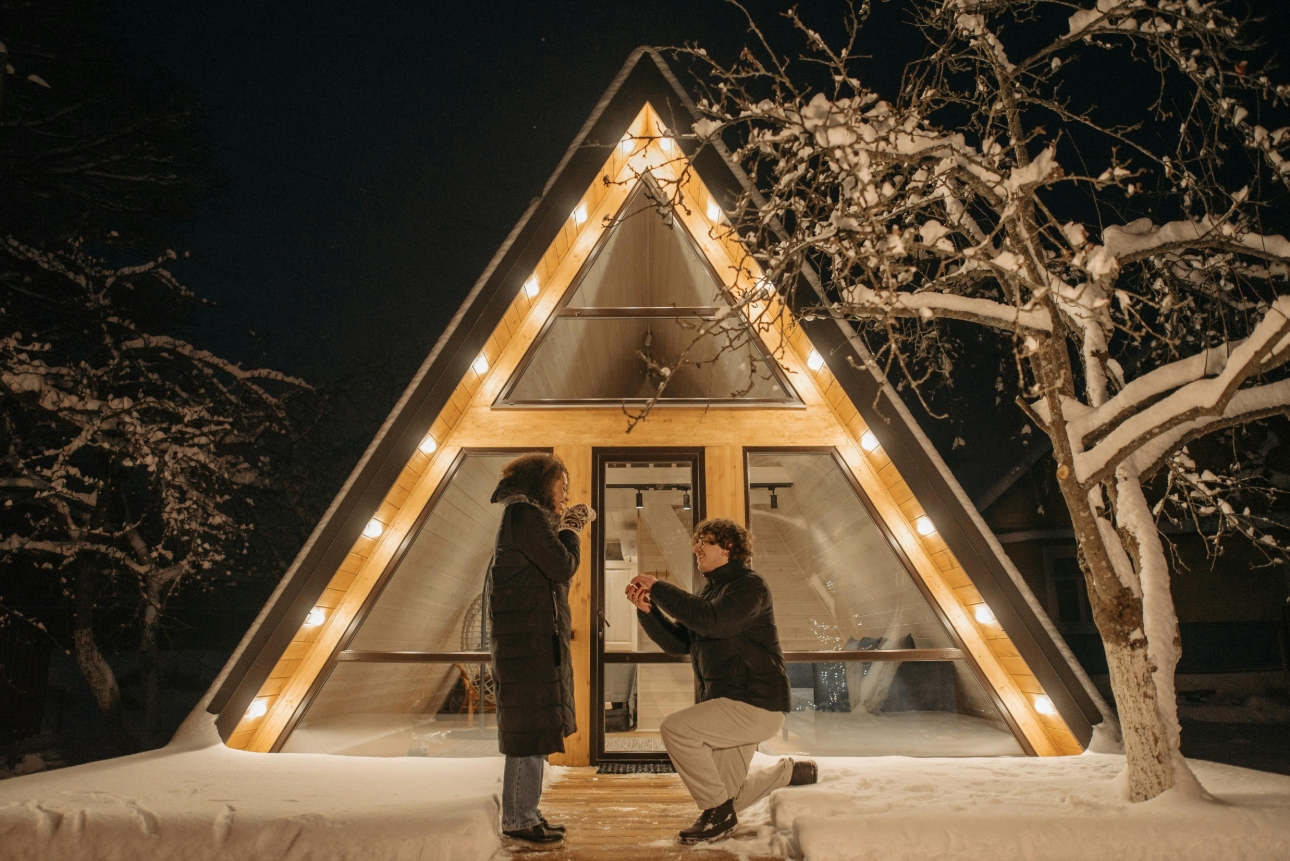
December is the most popular month to get engaged, accounting for more than 11% of proposals¹. But, as peak proposal season approaches, new research from MoneySuperMarket reveals that many couples could be putting their engagement rings - and their wallets - at risk.
The research* revealed that two-thirds (66%) of engaged or married couples don’t have their rings covered under their home insurance and more than a quarter (27%) don’t have any insurance at all.
The data highlights a growing protection gap, particularly among younger generations with over a third (38%) of 18-24 year olds having no cover, compared to 24% of 25-34 year olds.
Even among those who have insured their rings, having the correct level of coverage is rare. Only 7% have a specialist jewellery policy, as experts recommend, and just 5% get their rings valued regularly - something required to keep insurance valid. Alarmingly, 12% admitted they haven’t had their rings valued since they first got them.
Uninsured rings could cost couples thousands
With engagement rings often costing thousands of pounds, the financial stakes are high. For those following the ‘three months’ salary’ rule, a ring could cost around £6,8012 — but many don’t realise their home insurance might not fully cover it if it’s lost, stolen or damaged.
Kara Gammell, home insurance expert at MoneySuperMarket, adds: ““With December marking the start of proposal season, it’s easy to get swept up in the excitement of choosing the perfect engagement ring. But while the sparkle might steal the spotlight, protecting your ring should be just as high on the priority list.
“Whether it’s covered under your home contents insurance or through a specialist jewellery policy, it’s vital to make sure your ring is properly insured and regularly revalued. Without the right protection, you could be left out of pocket if the worst happens.”
How to make sure your engagement ring is properly insured
Kara Gammell, home insurance expert at MoneySuperMarket shares five essential steps to help couples safeguard their jewellery this proposal season:
Keep proof of purchase & Documentation
“Before you can insure your ring, you’ll need to show proof of purchase and supporting documents. Keep the original receipt and any certificates, such as diamond grading reports, as these help establish the ring’s value if you ever need to make a claim.”
Get a professional valuation certificate
“Most insurers will require a valuation before adding your ring to a policy. An appraisal from a certified jeweller or gemologist ensures your ring is insured for the correct replacement value.”
Check for “All-Risk” or Personal possessions cover
“Not all home insurance policies offer the same level of protection. Make sure yours includes cover for loss, theft and accidental damage – both at home and abroad. With many proposals now happening overseas, it’s important to check that your policy includes travel cover, as standard home insurance often excludes loss or damage caused outside the home.”
Schedule regular re-valuations
“The value of your ring may change over time, especially if it’s made of gold or contains diamonds. Re-valuing it every two to three years helps ensure you’re not underinsured if you need to replace it.”
Take clear photos and store details securely
“Photograph your ring from multiple angles and note any identifying features, such as engravings or serial numbers. Keeping this information in a safe place, or with your insurer, can help to speed up claims process if your ring is lost or stolen.
For more details on how to properly protect your proposal, visit: moneysupermarket.com/home-insurance/#protect_your_proposal_with_these_expert_tips