Aimee Howlett, jewellery expert at Diamonds Factory, has shared how to choose and clean your wedding band....
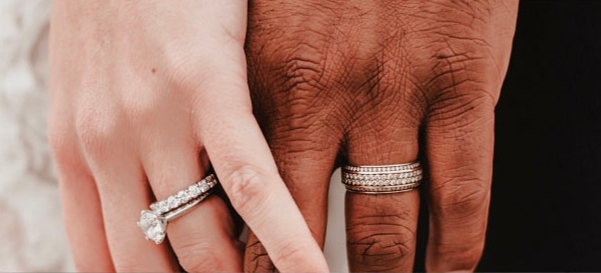
"When choosing your wedding band, it's important to consider your lifestyle and daily activities. If you're someone with an active lifestyle you might want to go for a more durable material like platinum or tungsten that can withstand potential scratches and avoid a ring that has diamonds. With this in mind, it's worth visiting a jewellery store and trying on different styles of wedding bands, which can be really fun! Pay attention to comfort, fit, and how well it pairs with your engagement ring (if you have one). If you already have an engagement ring, it's essential to find a wedding band that beautifully complements it. Opting for a diamond wedding band can enhance the sparkle of your engagement ring, creating a glamorous look. Take into account the metal, style, and overall design to make sure they blend beautifully together. The width and thickness of a wedding band play a significant role in both its appearance and comfort on your finger. When choosing the right band, consider that a thicker ring will feel more substantial and pronounced on your finger.
"On the other hand, a thinner band might offer a more delicate and understated look so ensure to pick what feels more comfortable for you. Before you try any rings on, it's helpful to determine your budget. Wedding bands come in various price ranges, so having a clear idea of what you want to spend will help you narrow down your choices and avoid going overboard. It's worth considering that wedding bands can be made from various metals including gold (yellow, white, or rose), platinum, palladium, titanium, and more. Each metal has its own unique characteristics, so go for the one that suits your preferences and any skin sensitivities you might have. Lastly, if you're going for a custom-designed wedding band, make sure to place your order well in advance. This will give you enough time to account for any potential delays and ensure that everything turns out just the way you want it.'
When it comes to keeping your wedding band clean, Aimee has shared 7 tips:
Clean once a week: Clean your wedding band regularly, ideally once a week or more frequently if you participate in outdoor activities and are sweating a lot. You can use a mild soap and warm water solution to soak your ring for a few minutes before gently scrubbing it with a soft toothbrush. Rinse it thoroughly and pat it dry with a cloth.
Avoid harsh chemicals: Refrain from using harsh chemicals or abrasive cleaners on your wedding band, as they can damage the metal and gemstones. Stick to mild soapy water or jewellery-specific cleaning solutions.
Remove during activities: Take off your wedding band during activities that might expose it to potential damage or chemicals such as swimming in chlorinated pools, using suncreams, hand sanitizers or strong cleaning products.
Avoid direct sunlight: If your wedding band contains gemstones, avoid leaving it in direct sunlight for extended periods, as it may cause colour fading or damage to certain stones.
Store safely: When you're not wearing your wedding band, store it in a clean, dry place, preferably in a jewellery box or a soft pouch to prevent scratches and dust buildup.
Inspect for damage: Regularly inspect your wedding band for any loose stones, bent prongs, or signs of wear. If you notice any issues, have it repaired promptly to prevent further damage.
Avoid water activities: Avoid wearing it during water activities, as excessive exposure to water can cause warping or damage.
The A/W 2026 wedding trends: softer tailoring, richer tones and seasonal florals
From chocolate and camel tailoring to dahlias and trailing amaranthus, autumn/winter weddings are embracing richer colours and softer styling. As the autumn/winter wedding season gets underway, couples are moving away from rigid, perfectly matched styling in favour of looks that feel more relaxed, personal and connected to the season. Jess Levick, Assistant Buyer at Suit Direct, shares the key tailoring and styling trends shaping A/W 2026 occasionwear, alongside Lucy Hook, Floral Lead at Bloom & Wild, who reveals the flowers, colours and textures set to be popular for bouquets and displays this season.
READ ARTICLE
What to do now to get your finances ready for 2027
Aileen Robertson, Tesco Bank's Head of Savings, has shared ways soon-to-be-wedded couples and newlyweds can build healthy savings habits and step into 2027 feeling more confident about their shared futures! Aileen Robertson, Head of Savings at Tesco Bank, comments: "The start of a new year often feels like the perfect opportunity for a fresh start, with people embracing resolutions and looking to turn over a new leaf. But creating new habits can take time as people settle back into their routines, and sometimes those good intentions never quite get off the ground. "If you're trying to stay on top of your finances in 2027, taking small steps now can make that journey much easier. It's important to remember that it's never too late, or too early, to start working towards your goals. Setting them is the first step, whether they're big or small, so think about what you want your money to do for you. From here you can start to work towards your goals, building good savings habits along the way, and see your money grow over time."
READ ARTICLE
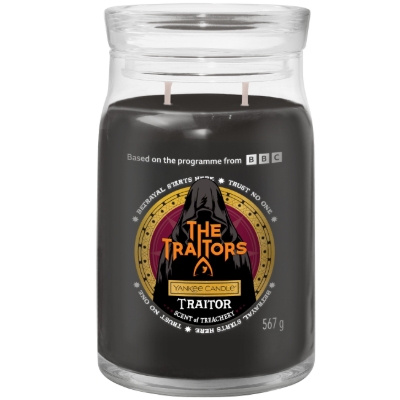
Yankee Candle® launches limited-edition The Traitors collection
Fans of the BBC's hit reality show The Traitors can bring a little intrigue into their homes this autumn with a limited-edition candle collection from Yankee Candle. Inspired by the BAFTA-winning series, the new collection features two Signature Large Jar Candles: Faithful and Traitor. Each fragrance represents a different side of the game, inviting fans to choose their allegiance while settling in for the latest round of suspicion, secrets and unexpected reveals. Faithful is designed to evoke comfort and calm, blending cashmere vanilla and rose with a warm amber base. Its soft, powdery fragrance is ideal for cosy evenings spent analysing clues and debating who can be trusted.
READ ARTICLE
Traitors, Bake Off and Strictly: the TV-inspired hen dos you can actually book
With The Traitors, Strictly Come Dancing and The Great British Bake Off all back on our screens, hen and stag parties can take inspiration from some of the nation's favourite TV shows. Chillisauce is offering groups the chance to recreate the drama, dancing and baking challenges for themselves, with experiences designed to bring a little competitive spirit to pre-wedding celebrations. Whether you fancy uncovering a secret traitor, putting your baking skills to the test or learning a new dance routine, there are options to suit a range of groups and locations across the UK. Discover three TV-inspired hen and stag party ideas, from murder mystery experiences in 26 locations to baking challenges and themed dance classes....