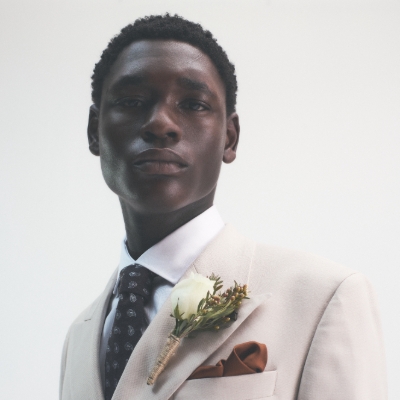
Ten jewellery superstitions to know before your big day
Certain jewellery worn on your wedding day can bring bad luck to brides and grooms, according to experts.
Ethical jewellery experts, Ingle & Rhode, have gathered some of the most unusual superstitions surrounding accessories that you might not know about. From necklaces to bracelets, lots of jewellery has hidden meanings that are considered lucky or unlucky, depending on what it is and when it is worn.
Some jewellery, like rosary beads, are considered good luck, whereas wearing pearls on your wedding day suggests that you will have tears in your marriage. Tim Ingle of Ingle & Rhode said: “Every bride and groom wants their special day to go as smoothly as possible, which may mean being careful about the jewellery they choose to wear.”
Good luck charms Charms have been considered good luck for centuries, with many believing they can deter dark forces. Lucky charms are common all over the world, with different countries favouring different symbols. Four leaf clovers are used in Ireland, dolphins in Thailand and scarab beetles in Egypt. Any charm given by loved one can have a special meaning attached to it.
Taking your engagement ring off Legend has it that taking your engagement ring off before you’re married will bring bad luck for the bride-to-be. There are some myths that even go as far as suggesting that if you let someone else try on your ring, the person who tried it on will steal the happiness of the bride, and steal the heart of her husband.
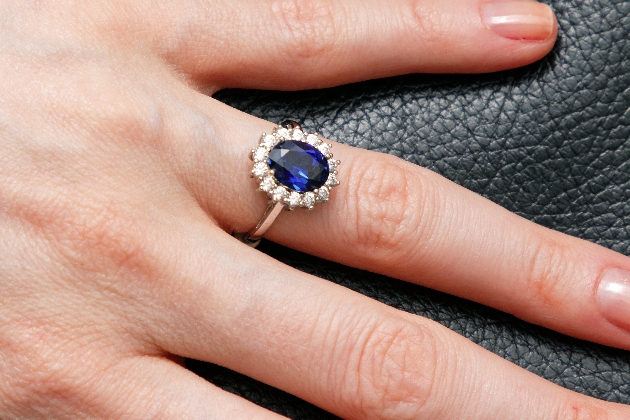
Including stones in your rings According to superstition, a sapphire in a wedding ring will bring a happy marriage. Wearing a turquoise stone, such as aquamarine, is considered to be good luck that brings happiness and good fortune to anyone who wears it.
Aquamarine is believed to encourage a long and happy marriage. Emeralds are also thought to bring marital bliss, some cultures even believe emeralds have aphrodisiac properties. Of course, diamonds are supposed to represent affection.
Heirloom jewellery Although being handed down jewellery can be a nice sentiment, especially if you're following the tradition of something old, something new, something borrowed and something blue you need to consider where it has come from. The folklore suggests that if the piece of jewellery has come from a rocky marriage, then this will get passed down to the bride and groom. Because of this, it’s also considered a no-go to buying a second hand ring as you have no way of knowing its history.
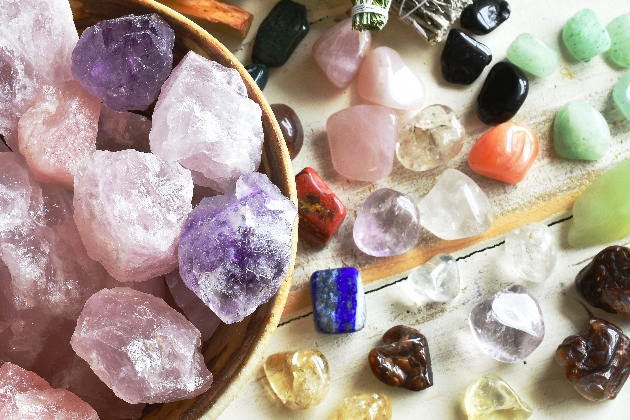
Lucky pendants Like charms, some pendants are also believed to bring about good luck to anyone who wears them. The most popular at the moment are crystal necklaces. Holding crystals or placing them on your body is thought to promote physical, emotional and spiritual healing. They supposedly do this by positively interacting with your body's energy field, or chakra. Each crystal has different healing properties, amethyst is said to heal and purify whereas rose quartz is meant to encourage love and trust.
Rosary beads bring you good luck To lots of people rosary beads have a religious purpose, and are used for prayer and meditation, particularly common in the Catholic religion. Many can be comforted even just by holding them and it is believed that they can bring people closer to god.
Protective jewellery The Hamsa Hand comes from ancient Middle-Eastern culture, and is said to protect against evil and bring whoever owns one luck, happiness and good fortune. It is very common in jewellery and symbolises the hand of god.
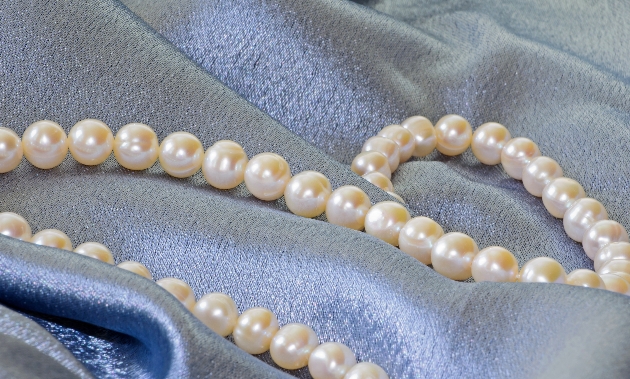
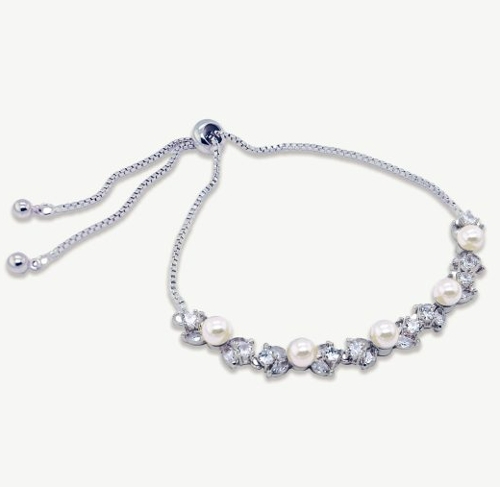
Don’t wear pearls on your wedding day Considering pearls have been one the biggest trends this year when planning the aesthetics for your wedding, it's surprising that wearing pearls on your big day is actually considered to be bad luck. Pearls are sometimes described as the ‘tears of an oyster’ due to their shape and so it’s thought that if you wear them at your wedding, you will have tears in your marriage too.
The ring finger According to ancient Egyptians, the reason why the wedding ring is placed on the left hand is because it was originally believed that there was a blood vessel that ran from the finger all the way to the heart, although this has never been proven, the tradition has still been carried through the centuries.
Only wear your own birthstone Wearing a birthstone that is different to yours is said to bring about bad luck, but if you do decide to wear your own birthstone, then there are believed to be many benefits, like bringing good luck and deterring illnesses. Birthstones are also thought to contain healing properties.
New app launches to simplify one of marriage’s biggest admin headaches
Changing your name after marriage can mean updating details with countless organisations, from banks and subscriptions to official documents and employers. New app Name Change Navigator aims to make the process easier, guiding newlyweds through each step from one platform. Founded by Rebecca Dainton, Head of Product at Flutter UK & Ireland, the app was created to reduce the stress and mental load associated with name changes. It supports a range of naming journeys, including traditional surname changes, double-barrelling, blended surnames and other choices following marriage, civil partnership, divorce or personal identity changes. The launch comes as younger generations increasingly rethink traditional naming conventions, with technology offering a more streamlined approach to this often-overlooked part of newlywed life.
READ ARTICLE
How to plan a stylish city centre wedding
When couples start planning their wedding day, many instinctively picture rolling countryside views or stately homes. Yet increasingly, modern couples are setting their sights on city-centre celebrations that offer both style and endless opportunities to personalise their day. According to Olivia Lamb, wedding coordinator at The Met Hotel Leeds, a city wedding can bring the perfect balance of elegance, practicality, and unforgettable experiences for both couples and their guestlist. Here, Olivia shares her insight. One of the greatest advantages of an urban wedding is having an entire city on your doorstep. The location likely means something to you as a couple, so let it help tell your story, and use the cityscape as your backdrop.
READ ARTICLE
From best mates to distant relatives: Brits reveal the wedding gift hierarchy
How much should you spend on a wedding gift? It seems the answer depends on just how well you know the happy couple. New research from One4all Gift Cards has revealed that almost half of Brits (49%) would spend less on a wedding gift if they were not particularly close to the couple. The relationship came out ahead of travel and accommodation costs (38%) and paying for a hen or stag do (28%) when it comes to factors influencing how much guests are prepared to spend. For those closest to them, Brits consider an average of £77 per person to be an acceptable wedding gift. The most popular amount was between £50 and £100, selected by 43% of respondents, while 36% believe spending up to £50 is perfectly acceptable. Just 5% would spend more than £200.
READ ARTICLE
Revealed: England and Wales’ most common wedding anniversary date as August accounts for nearly one in six
1 September is the most common wedding anniversary date, with an average of 1,557 marriages taking place on the date, new analysis has revealed. The research, from drinks and gifting retailer Bottled and Boxed, analysed 22 years of marriage registration data from the Office for National Statistics to identify the dates when couples across England and Wales are most likely to be celebrating their wedding anniversaries each year. Every date in the top 10 falls between late July and early September, showing how heavily the most common anniversaries are concentrated in late summer. August is the most common month for wedding anniversaries, accounting for 15.7% of all marriages analysed, with an average of 1,254 couples married per day.