No-shows and last-minute declines at weddings are not only incredibly annoying but also can have a hefty impact on a couple's finances. Data collected by Togather, the UK's leading event booking platform, reveals that wedding no-shows are costing couples on average £6,163.36 per wedding or £1.52 billion each year.
Given that, on average, 20% of guests who RSVP ultimately do not attend, the financial implications for couples are significant. By analysing customer budget data from thousands of weddings across the country, Togather has shed light on the financial strain caused by guest absences. It’s revealed that the average cost of a UK wedding in 2023/24 stands at £30,816.41, with cost per guest amounting to £385.21.
The True Cost of a No-Show Guest
Looking at customer budget data including venue costs, catering, florists and photography, Togather reveals that the average UK wedding costs approximately £30,816.41 in 2023/24. With an average of 80 guests per wedding, each guest represents a cost of £385.21. When a guest doesn’t show up, that’s nearly £400 down the drain—money that could have been spent on a memorable honeymoon or saved for future plans.
How Big Is the Problem?
The issue of no-show guests is not just a minor inconvenience; it’s a big financial problem for newly married couples. On average, about 20% of wedding guests don’t attend despite RSVPing. For a wedding with 80 guests, this means around 16 people might not show up, leading to a direct financial loss of £6,163.20 per wedding.
With approximately 246,897 weddings taking place in the UK each year, the financial burden of no-shows becomes even more apparent. Across the country, these no-shows are costing UK couples a staggering £1.52 Billion annually. That’s billion pounds spent on empty seats, uneaten meals, and unneeded drinks.
Where Does the Money Go in a Typical UK Wedding?
Weddings are known to be one of the most significant expenses many couples will ever face.
Let’s break it down:
Venue: £7,219.97
Florists: £1,974.66
Marquees: £3,113.73
Caterers: £3,268.59
Street Food: £1,606.17
Photography and Videography: £2,163.72 (£1,037.47 for photography and £1,126.25 for videography)
Event and Hospitality Staff: £4,943.29
Event Bar: £3,490.58
Glamping: £3,035.70
All these costs contribute to the overall budget, where even small percentages of no-show guests can translate into substantial financial losses.
Mitigating the Impact of No-Shows at Weddings
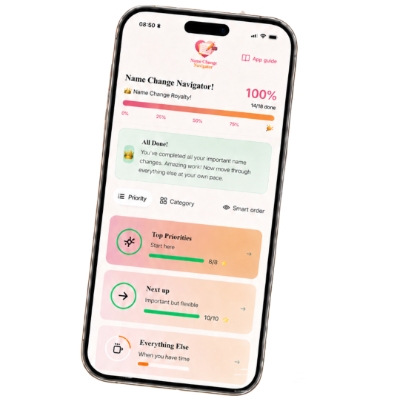
No-shows are a common occurrence at weddings, but couples can take proactive steps to minimise their impact. One effective approach is to use online RSVP platforms and event management apps. These tools streamline the process of collecting guest responses and provide real-time updates, helping couples maintain an accurate headcount. Sending reminders through these platforms can also encourage guests to RSVP promptly, reducing the likelihood of last-minute surprises.
Clear communication with guests is also crucial. Including a polite reminder about the importance of timely RSVPs in invitations or on the wedding, website can encourage guests to be considerate of the couple's planning efforts.
The experts at Togather have noticed a growing trend in 2024, with more couples opting for street food and less formal dining at their weddings. This shift not only reflects changing tastes but also offers a practical way to manage costs, particularly given the high risk of no-shows. Saffy, an event expert at Togather explains how these choices can make a significant difference in your budget,"The price per head is definitely lower when opting for street food options compared to more formal dining. Generally speaking, our price per head for street food bookings tends to be around the £15 per head mark, which is on the lower side for weddings. If you consider a 3 or 4-course fine dining experience, you're likely looking at closer to £80+ per head. We often see bookings where people choose multiple food trucks, creating a festival-style setup where guests can choose between 3 or 4 different food truck options for the same cost as a traditional sit-down meal."
Another key strategy is to work with vendors who offer flexible agreements. This flexibility allows couples to adjust their orders close to the event date, avoiding unnecessary costs for unused meals and services. Additionally, having a contingency plan for seating and arrangements can help manage the logistics of any unexpected declines. Couples can set up versatile seating arrangements that can easily adapt to changes in guest numbers, ensuring a seamless and well-organized event.
Saffy at Togather comments, “Booking a wedding well in advance is key to a smooth and stress-free experience. It's not just about securing the perfect venue or vendors; it's about giving yourself the flexibility to manage unexpected changes, like last-minute declines. By planning ahead and choosing vendors with flexible policies, couples can mitigate potential issues and focus on enjoying their big day. Remember, the goal is to create a memorable celebration, and careful planning is the foundation for making that happen.”