Five myths about Champagne

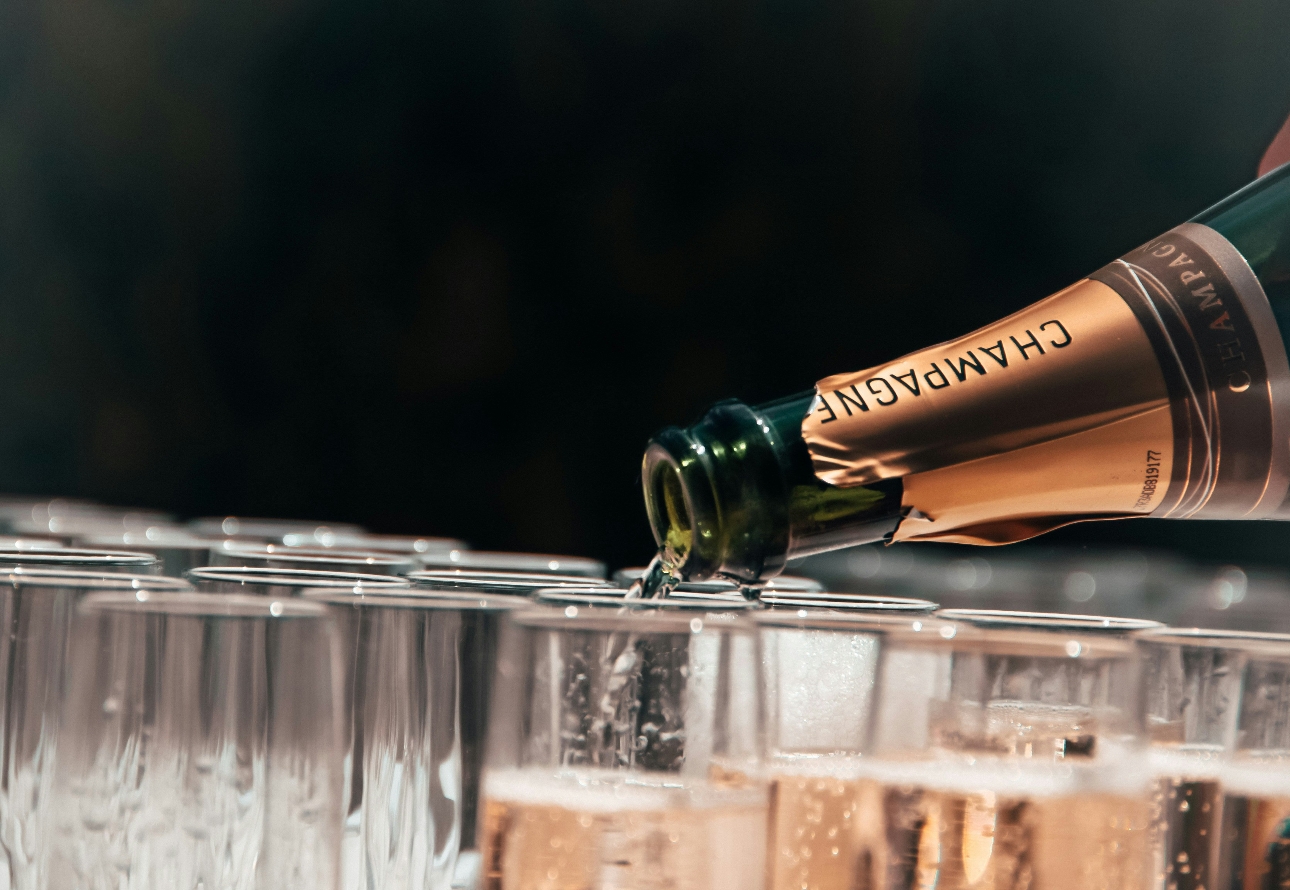
open champgane bottle being poured in to glasses Credit: Tristan Gassert

For centuries, great occasions in life have been punctuated with Champagne. However, there are several myths surrounding the drinking, storing and essence of Champagne. As a result, the Champagne Bureau UK* wanted to bust those myths to separate fact from fiction and demonstrate how best to enjoy the pinnacle of sparkling wine, as well as ensure that you aren't fooled by some of the most common Champagne myths.

Myth: Pop the cork and spray Champagne in times of celebrations.
The blunt pop of the cork and the fizz of the fine bubbles – instantly reminiscent of celebration – is a sparkling start to any special occasion. There are particular moments in which a pop is a symbol of the moment that you are toasting. However, the spraying of a Champagne bottle is never the correct protocol because you lose some of the wine and dissipate the bubbles. So, how do you open a bottle of Champagne correctly? After removing the wire cage – with six turns in total - and foil cap, keep a firm hold on the cork, hold the bottle and tilt it to a 30-45° angle, being careful to point it safely away from anyone. Gently rotate the bottle (not the cork) until the cork slowly pops out.

Myth: Flutes and coupes are the glass shape of choice.
Flutes have commonly been thought of as the crème de la crème and the appeal of the coupe stems from 1960s Hollywood glamour. However, a flute causes the Champagne to lose its effervescence too quickly and a coupe's large surface area means that aromas are lost before they can be enjoyed. It is recommended to opt for a tall, rounded, tulip-shaped glass which allows the bubbles to develop and the aromas to be revealed.

Myth: A spoon keeps Champagne from losing its bubbles.
Unable to finish your bottle of Champagne? This trick may help for a few hours but it is not going to keep your Champagne effervescent over time. We would suggest investing in a good quality Champagne stopper which will preserve your Champagne's bubbles until you are ready to enjoy it again.

Myth: Champagne is only for special occasions.
Of course, Champagne's rich history and prestige make it the perfect drink of choice for all of your celebratory occasions. However, there is no reason why Champagne cannot be enjoyed for both big and small wins. Champagne also makes an excellent pairing companion – with fish, meat, vegetarian dishes and sweet treats. Whether you enjoy a Vintage or Non Vintage Champagne, the array of styles (including Blanc de Blancs, Blanc de Noirs, Rosé and Demi-sec) makes it infinitely pairable.

Myth: Champagne doesn't have to come from Champagne.
No, Champagne only comes from Champagne and there is continual work being done to protect the appellation and Champagne name. In 1935, the concept of the AOC (Controlled Designation of Origin) was introduced, and in 2015 the Champagne Hillsides, Houses and Cellars were added to the UNESCO World Heritage list – contributing to the respect for Champagne as a distinct sparkling wine and designated region. Today, over 121 countries recognise the Champagne appellation, including the UK.

Myth: You can put Champagne in the freezer to cool it down more quickly.
Whilst chilling Champagne is essential to enjoy the full extent of its finesse, putting a bottle in the freezer is not ideal as freezing temperatures limit the aromas and bubbles. The most effective and quickest way to chill a bottle of Champagne is to plunge it into an ice bucket half filled with water and ice, until it reaches a temperature of 8 to 10 degrees Celsius. If you are running ever shorter on time, add two tablespoons of salt to the cold water. This will bring your bottle to the right temperature within 30 minutes.

*Champagne Bureau UK is the trade association in the UK, representing houses and growers in Champagne

You may also be interested in

New app launches to simplify one of marriage’s biggest admin headaches

New app launches to simplify one of marriage’s biggest admin headaches

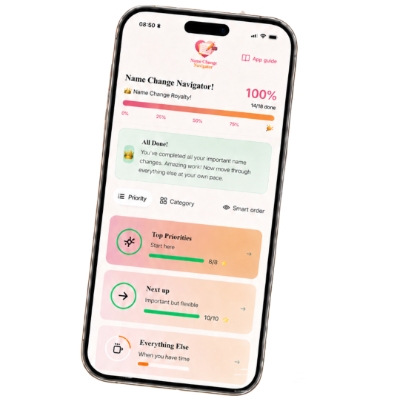
Changing your name after marriage can mean updating details with countless organisations, from banks and subscriptions to official documents and employers. New app Name Change Navigator aims to make the process easier, guiding newlyweds through each step from one platform. Founded by Rebecca Dainton, Head of Product at Flutter UK & Ireland, the app was created to reduce the stress and mental load associated with name changes. It supports a range of naming journeys, including traditional surname changes, double-barrelling, blended surnames and other choices following marriage, civil partnership, divorce or personal identity changes. The launch comes as younger generations increasingly rethink traditional naming conventions, with technology offering a more streamlined approach to this often-overlooked part of newlywed life.

READ ARTICLE

From best mates to distant relatives: Brits reveal the wedding gift hierarchy

From best mates to distant relatives: Brits reveal the wedding gift hierarchy

How much should you spend on a wedding gift? It seems the answer depends on just how well you know the happy couple. New research from One4all Gift Cards has revealed that almost half of Brits (49%) would spend less on a wedding gift if they were not particularly close to the couple. The relationship came out ahead of travel and accommodation costs (38%) and paying for a hen or stag do (28%) when it comes to factors influencing how much guests are prepared to spend. For those closest to them, Brits consider an average of £77 per person to be an acceptable wedding gift. The most popular amount was between £50 and £100, selected by 43% of respondents, while 36% believe spending up to £50 is perfectly acceptable. Just 5% would spend more than £200.

READ ARTICLE

Revealed: England and Wales’ most common wedding anniversary date as August accounts for nearly one in six

Revealed: England and Wales’ most common wedding anniversary date as August accounts for nearly one in six

1 September is the most common wedding anniversary date, with an average of 1,557 marriages taking place on the date, new analysis has revealed. The research, from drinks and gifting retailer Bottled and Boxed, analysed 22 years of marriage registration data from the Office for National Statistics to identify the dates when couples across England and Wales are most likely to be celebrating their wedding anniversaries each year. Every date in the top 10 falls between late July and early September, showing how heavily the most common anniversaries are concentrated in late summer. August is the most common month for wedding anniversaries, accounting for 15.7% of all marriages analysed, with an average of 1,254 couples married per day.

READ ARTICLE

Marriage law reform: what the Government’s proposals could mean for couples

Marriage law reform: what the Government’s proposals could mean for couples

Planning a wedding is fun, stressful, time consuming. Couples want a ceremony that reflects their taste, is reflective of their love for each other and feels unique. The current restrictions in place can sometimes fetter that. Long-awaited plans to modernise weddings law in England and Wales could give couples far greater freedom over where and how they marry. It is hoped that they may be part of a much wider transformation of family law which is going through the biggest shakeup in decades.

READ ARTICLE

Follow Your Yorkshire Wedding Magazine on Instagram

VISIT SITE

Follow Your Yorkshire Wedding Magazine on Facebook

VISIT SITE

Follow Your Yorkshire Wedding Magazine on YouTube

VISIT SITE

Blackwell Grange Hotel

VISIT SITE