Thinking of doing a joint wedding speech? Read Speechy's top tips

'The Speech Surgery' with Heidi Ellert McDermott, founder of Speechy & author of The Modern Couple's Guide to Wedding Speeches

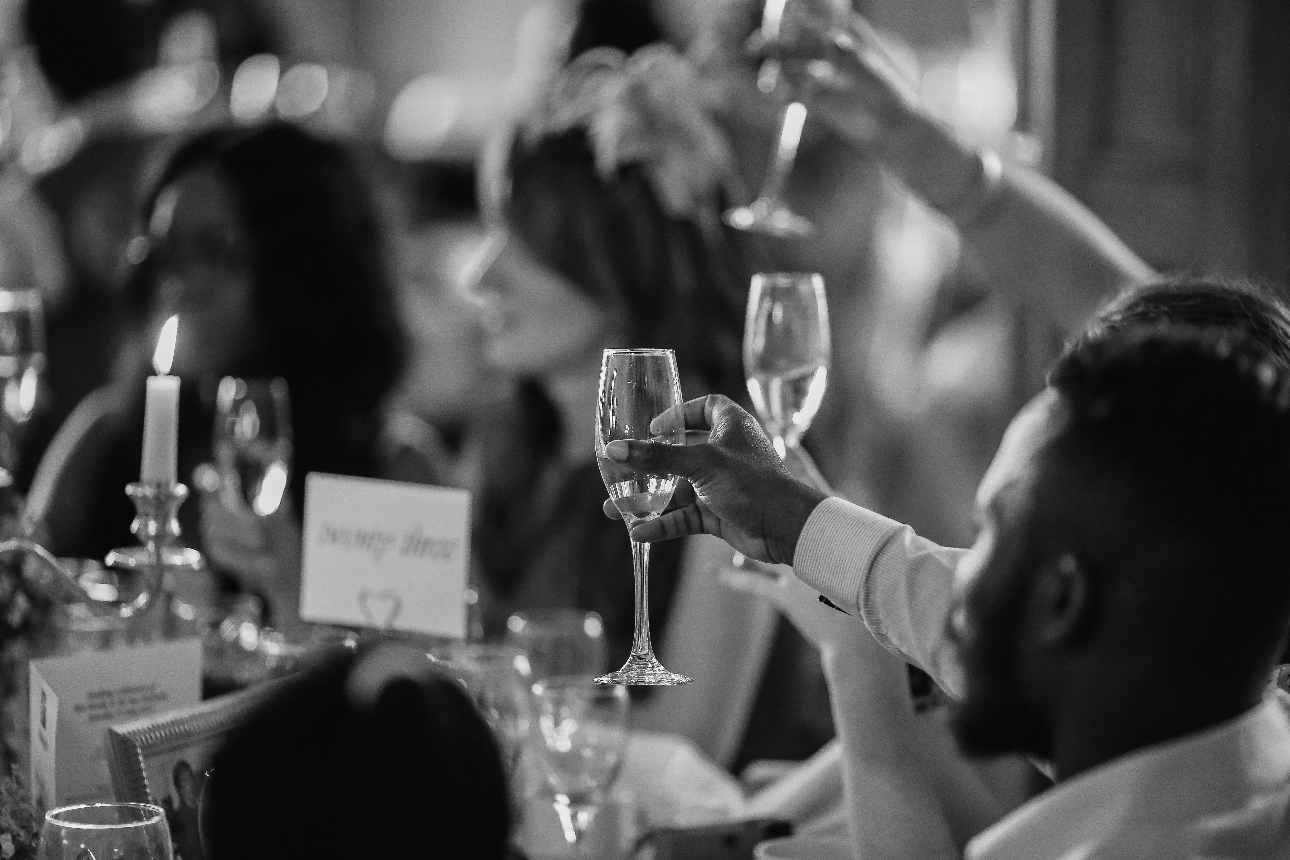
black and white photo of guests raising a toast at a wedding reception Credit: Thomas William on Unsplash

My fiancé and I were thinking about doing a joint wedding speech but we've no idea where to start. Any advice?

Do it. Your guests will love it! A joint speech is a really modern addition to any wedding, and your friends and family will love it as they get to hear from you both!

A joint speech follows the same etiquette principles as your standard bride and groom speech but allows you to present it as a team and play up to your relationship dynamic. But, despite the two voices, be careful not to make the speech double the length! No more than 1,500 words maximum. When it comes to writing a joint speech, it all comes down to your ability to collaborate, discuss and bounce ideas off each other. You must resist the urge to shake your head despairingly or bang your head off the table, when your partner suggests something you don't like.

Instead, you need cultivate a creative environment. Organise a date night and brainstorm...

  • Who you want to thank
  • If you need to pay a tribute to any absent friends or family members
  • The stories you could tell to entertain everyone and give them an insight into your relationship
Once you've gathered good content and ticked off all the speech to-dos, pick out the best bits and you're ready to write a first draft. I suggest one of you does the first pass of the speech, and then the other reads through and suggests edits. This means you don't have to debate words as you go, but it also requires that you're both open to feedback.

A joint speech structure is similar to an individual newlywed speech...
  • Hello, welcome & some early humour
  • The Speech-Meat – Where you tell a few great stories and show your relationship in action
  • Thank yous
  • Acknowledgement of the dearly departed (if necessary)
  • A final more romantic tribute to each other
  • A toast
Divide the speech so you each have small sections to deliver (2 – 6 sentences) and alternate throughout. You want to support each other's narrative.

We encourage couples to discuss every element of their speech, apart from the final romantic tribute to each other. With that, just agree the length – (50 to 75 words?) – and who's going first etc.  Deliver your lines as a surprise on the day, before uniting to deliver the final toast. 

Another benefit of opting for a joint speech is that you can rehearse (the majority of) it together. As well as ensuring the words are ingrained in your head, you should also practise your 'double-act'. You need to interact throughout, so also rehearse what you're doing as your partner delivers their lines. Don't just look at your speech notes, make sure you're actively listening and reacting to what they say. Look at who they're thanking, roll your eyes at any teasing, laugh along to the jokes. On the day, simply look like you're having fun with your favourite person in the world and the guests will pick up on the oxytocin-vibes!

For more inspiration www.speechy.com/speechy-advice/couples-joint-speech

Missed our first Speechy series of columns, find more here.

You may also be interested in

Why more couples are letting the coast shape their wedding day

Why more couples are letting the coast shape their wedding day

For couples planning a wedding, the setting is increasingly becoming more than a backdrop. Research from WeddingDates found that 78% of UK couples consider location an important factor when choosing a venue, with more than a third specifically influenced by the view. Rockwater, the UK coastal hospitality brand with beachfront venues in Hove and Branksome, says this is helping reshape how couples approach weddings by the water. Rather than simply choosing a coastal venue and then planning the celebration independently of it, couples are increasingly allowing the landscape, changing light and relationship between indoor and outdoor spaces to influence the day itself. Rockwater has identified four of the key considerations shaping modern coastal weddings.

READ ARTICLE

New app launches to simplify one of marriage’s biggest admin headaches

New app launches to simplify one of marriage’s biggest admin headaches

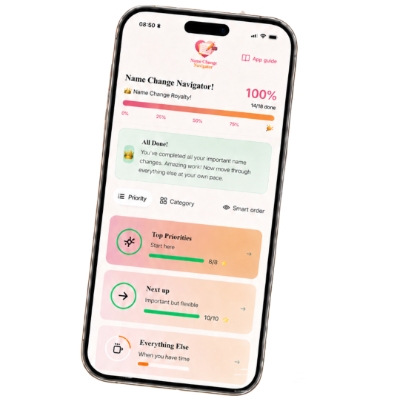
Changing your name after marriage can mean updating details with countless organisations, from banks and subscriptions to official documents and employers. New app Name Change Navigator aims to make the process easier, guiding newlyweds through each step from one platform. Founded by Rebecca Dainton, Head of Product at Flutter UK & Ireland, the app was created to reduce the stress and mental load associated with name changes. It supports a range of naming journeys, including traditional surname changes, double-barrelling, blended surnames and other choices following marriage, civil partnership, divorce or personal identity changes. The launch comes as younger generations increasingly rethink traditional naming conventions, with technology offering a more streamlined approach to this often-overlooked part of newlywed life.

READ ARTICLE

Something old, something gone: The British wedding traditions on borrowed time

Something old, something gone: The British wedding traditions on borrowed time

New Aspall research reveals the wedding traditions that are being dropped - from the bouquet toss and choreographed first dances, to the father-of-the-bride speech - and the modern alternatives taking their place. Speeches given only by men (36%), a choreographed first dance (34%) and the formal receiving line (30%) are among the wedding traditions that couples are keenest to ditch, a new study reveals. Wearing a veil, the 15-minute father-of-the-bride speech with no speech from the bride, and the traditional tiered fruit cake are also increasingly falling out of favour as Brits tie the knot, researchers found.

READ ARTICLE

Flawsome! reveals 81% of Brits say weddings don't need to be perfect to be memorable 

Flawsome! reveals 81% of Brits say weddings don't need to be perfect to be memorable 

Growing frustration with wedding perfection culture is reshaping how couples plan their big day, with sustainability, guest experience and authenticity becoming increasingly important, according to new research from Flawsome!. A national study of 2,000 UK adults found that 81% believe a wedding does not need to be perfect to be memorable, while 71% say social media has increased pressure on couples to create a "perfect" day. Sustainability is also becoming a key consideration, with 52% saying it is important when planning a wedding. Yet wedding waste remains widespread, with 41% of respondents having seen food and drink thrown away at weddings, while 32% recalled single-use decorations being discarded and more than a quarter had seen flowers go to waste.

READ ARTICLE

Follow Your Yorkshire Wedding Magazine on YouTube

VISIT SITE

Submit your wedding to be featured in Your Yorkshire Wedding Magazine

VISIT SITE

Subscribe to Your Yorkshire Wedding Magazine for free

VISIT SITE

Blackwell Grange Hotel

VISIT SITE