The Traitors is Britain's hottest new reality competition, where a group of twenty strangers come together for the investigation of their life: to find and stop the Traitors from stealing the ultimate prize pot!
It's a show full of mind-games, backstabbing and trust, and its second series proves to be gripping the nation once again. And the setting of this treacherous game makes it all the more entertaining: a beautiful castle in the Scottish highlands. In fact, enquiries about this castle have shot up since the show first aired in 2022.
CEO and founder of GetAgent, Colby Short, said, 'It's really interesting to see how shows like this spark curiosity about property value and history - even when the shows themselves aren't about property. We've seen it with popular series like You and Bridgerton - there's no doubt that pop culture has an impact on the market. I'll be interested to see how the caste's value increases as the show continues to grow in popularity.'
A look inside the most Traitor-ous castle in Britain: GetAgent investigates its history - does it live up to its reputation?
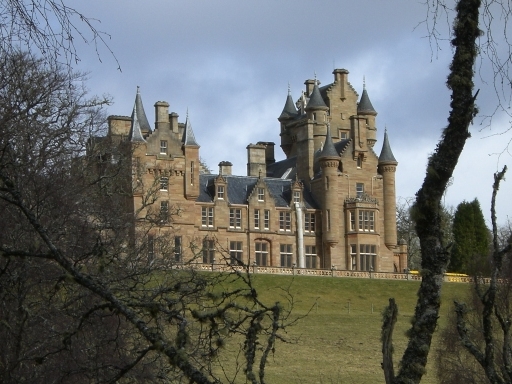
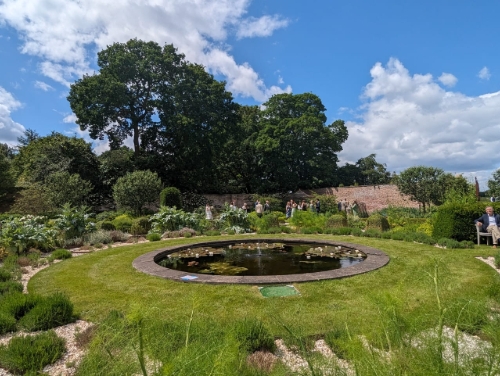
The history of Ardross Castle Ardross Castle is a 19th-century castle located in the beautiful Scottish highlands in Ross-shire, near Inverness. Designed in Scottish Baronial style, it's set on the banks of the River Alness and built within breathtaking landscaped gardens in over 100 acres of parkland. But here comes the first traitor-ous revelation: Ardross Castle isn't even a castle at all! In fact, it wasn't built for defensive purposes, and it wasn't even Medieval in origin. It was actually built in the late 1700s by George Granville Leveson-Gower, the first Duke of Sutherland, who fancied himself a new hunting lodge. And not only that - he wasn't even Scottish!
Who has lived in Ardross Castle? Ardross Castle's first owner, the Duke of Sutherland, was an Englishman who gained his wealth from the Highland Clearances, where poor Scottish families were forced off the land in the late 1700s and early 1800s. It was then purchased in 1845 by a man named Alexander Matheson for £90,000, who found money and wealth from the opium trade (the treachery continues!). £90,000 for a castle with hundreds of acres of land might not seem like much today, but in the 1800s, that purchase price was equivalent to just under £14,000,000!
Embellishing the Duke's initial leisure lodge vision, he replaced it with the Baronial sandstone edifice that the British public has come to recognise on television today. He also added not ten, not twenty, but thirty more rooms, as well as landscaped 700 acres of 'pleasure grounds'.
Following the reign of Matheson was C. W. Dyson Perrins, son of the famous Lea & Perrins Worcestershire sauce company, and plenty of money to spend on castles (or non-castles!). He decided to take the castle back to its original roots and use it for hunting retreats once more. He also modernised the building with electricity, even more land, and a beautiful formal garden designed by landscape gardener, Edward White!
The estate was then broken up and sold in 1937, before being bought by Mr & Mrs Austin Mardon, who lived there until 1983. The McTaggart family then bought the estate and started making restorations, both to the garden and the castle itself until it became the beautiful building we've come to know and love.
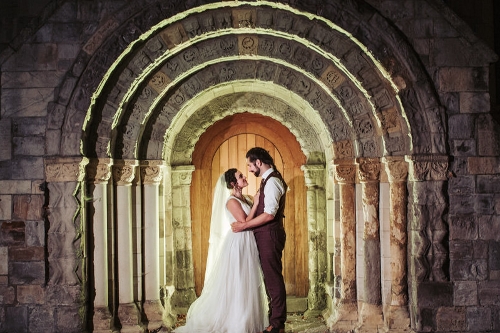
Can you stay at Ardross Castle? Alas, the castle is not open to the public, so if you're thinking about a romantic weekend getaway to Ardross Castle, you may have to rethink your options. It is, however, available to hire exclusively for big private or corporate events - so if you're in the market for a wonderful wedding venue and you have the money to spare, this beautiful space is definitely worth considering!
Fiially, If you're interested in knowing the value of your property, use our Online Valuation Tool today. Or for a complete insight into your property, our brand new HouseWorth Tool is up and running for curious property owners thinking about selling.
Something old, something gone: The British wedding traditions on borrowed time
New Aspall research reveals the wedding traditions that are being dropped - from the bouquet toss and choreographed first dances, to the father-of-the-bride speech - and the modern alternatives taking their place. Speeches given only by men (36%), a choreographed first dance (34%) and the formal receiving line (30%) are among the wedding traditions that couples are keenest to ditch, a new study reveals. Wearing a veil, the 15-minute father-of-the-bride speech with no speech from the bride, and the traditional tiered fruit cake are also increasingly falling out of favour as Brits tie the knot, researchers found.
READ ARTICLE
New app launches to simplify one of marriage’s biggest admin headaches
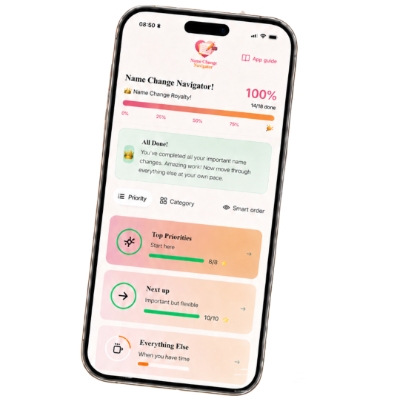
Changing your name after marriage can mean updating details with countless organisations, from banks and subscriptions to official documents and employers. New app Name Change Navigator aims to make the process easier, guiding newlyweds through each step from one platform. Founded by Rebecca Dainton, Head of Product at Flutter UK & Ireland, the app was created to reduce the stress and mental load associated with name changes. It supports a range of naming journeys, including traditional surname changes, double-barrelling, blended surnames and other choices following marriage, civil partnership, divorce or personal identity changes. The launch comes as younger generations increasingly rethink traditional naming conventions, with technology offering a more streamlined approach to this often-overlooked part of newlywed life.
READ ARTICLE
Flawsome! reveals 81% of Brits say weddings don't need to be perfect to be memorable
Growing frustration with wedding perfection culture is reshaping how couples plan their big day, with sustainability, guest experience and authenticity becoming increasingly important, according to new research from Flawsome!. A national study of 2,000 UK adults found that 81% believe a wedding does not need to be perfect to be memorable, while 71% say social media has increased pressure on couples to create a "perfect" day. Sustainability is also becoming a key consideration, with 52% saying it is important when planning a wedding. Yet wedding waste remains widespread, with 41% of respondents having seen food and drink thrown away at weddings, while 32% recalled single-use decorations being discarded and more than a quarter had seen flowers go to waste.
READ ARTICLE
Something borrowed, something blue’ is out – but 1 in 4 Brits still value wedding cards
New research from Moonpig reveals the top wedding card writing confessions. A whopping 30% of Brits admit to defaulting to a safe "congratulations!" because they simply can't think of anything else to say. This is followed by recycling the same message for different couples (11%) and signing a card without knowing what your partner has written (8%). What's more, when stuck for words, one in 10 (8%) admit to turning to AI for inspiration - this rises to one in seven (14%) among 25–34-year-olds. Brits are not alone in facing this wedding card conundrum. More than half of Brits (55%) admit they have struggled with at least one aspect of wedding message writing. Nearly one in four find wedding cards (23%) or guest-book messages (24%) difficult, while one in five (20%) hit writer's block when preparing the all-important wedding speech.