Five reasons why Champagne is the pinnacle of sparkling wine
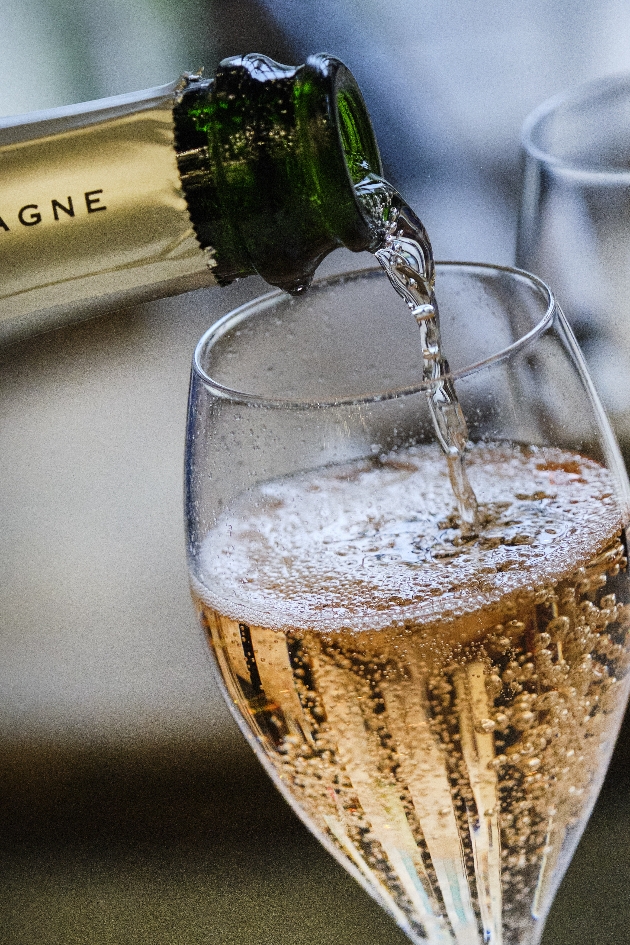
The Champagne Bureau UK* have rounded up five reasons why Champagne is the long-standing pinnacle of sparkling wine.
Firstly, Champagne only comes from Champagne. Champagne is a 100% French product - the Champagne region is located in France, approximately 90 miles east of Paris. It is a protected appellation (AOC).
From 816 to 1825, France's royalty was crowned in Champagne's Reims Cathedral, where Champagne was said to flow freely at all the coronation banquets. Soon, highly prized for their taste and finesse, it became customary to gift these wines to any royalty visiting the region. This is how the Champagne came to be known as the wine of coronation and known in France as "the wine of Kings and the King of wines".
The first reference to "Champagne Wines" appeared in 1690 - the years from 1670 to 1720 marked a turning point in the history of Champagne winemaking as this was when the production of sparkling wines became a deliberate choice in the region. Until this point - the effervescence (i.e., the bubbles) depended on external conditions. This marked the first time that a wine had been produced within a specific region and was identified by its name.
More recently, in July 2015 the Champagne Hillsides, Houses and Cellars were added to the UNESCO World Heritage list – having been recognised as symbolic places where Champagne wines were born and are still produced.
The Méthode Champenoise In Champagne, the Méthode Champenoise is used - this method calls for two rounds of fermentation, one in a tank or barrel, the second in the bottle itself. Yeast is added and the bottles are left tipped, neck down, so when the second fermentation has finished - the dead yeast cells collect in the neck and disgorgement occurs. The Champagne is then resealed and left to age. For a non-vintage this is for a minimum of 15 months and a vintage must be aged for at least three years. This process is known as maturation on lees - the lees consist of yeasts that have multiplied in the bottle.
A wine rich in history Up until the end of the 19th century - the Champagne wine-growing area was vast. Extending over more than 60,000 hectares however, in 1863, grape phylloxera reached Europe's shores. An insect which feeds on the roots of grapevines, drying them out and destroying them. Virtually the whole of the area under vine was decimate. In 1898, Growers along with the main Houses, worked together to protect their common heritage and founded the Champagne Viticultural Association (AVC). This set about replanting vineyards by grafting the Champagne vine shoot onto an American rootstock, which was resistant to the insect.
From 1814 – 1817, the First World War turned Champagne into a battlefield and many of its people suffered physical and financial hardship. The war threatened the continued existence of Champagne by endangering not only its sources, but also its markets. It is estimated that around 40% of Champagne's vineyards were destroyed during WW1. Champagne cellars were used as shelter - and to this day, graffiti can still be seen on some of the cellar walls.
During the Second World War, unlike during the First, the wine production area of Champagne stayed outside of the battle zone. The CIVC (Comité Interprofessionnel du vin de Champagne) was established in 1941. Winston Churchill famously said to motivate his troops, "Remember gentlemen, it's not just France we are fighting for, it's Champagne."
THE choice for any celebration Champagne is synonymous with celebration - be it an engagement, a milestone birthday or any special occasion. With 326 million bottles distributed, shipments rose by 1.6% in 2022 compared with the previous year – showing the dynamism of the global Champagne market. During Covid, 2021 saw a huge rise in Champagne sales, insinuating the return of a certain "Joie de Vivre".
The tradition of drinking Champagne to mark a celebration originated in the royal courts of Europe in the 18th century, where the drink was a social status symbol, associated with luxury and aristocracy. Over the years, the British Royal family has celebrated countless milestones with Champagne. When Queen Victoria's daughter, Princess Victoria, married Prince Frederick of Prussia in 1858, Champagne was served at the reception.
Synonymous with pop culture Champagne has featured prominently in popular culture for many years – whether it is mentioned in music, or in famous quotes in many films and series, and also in fashion. One of the UK's most famous fictional spies, James Bond, is portrayed as a frequent drinker of Champagne – The secret agent has been counted enjoying a glass of Champagne more than 15 out of 25 times in his films. In his movies many Champagne pairings are highlighted as Bond relaxes with a glass of Champagne with buttered toast and eggs. The richness of eggs pairs perfectly with the lightness of Champagne.
For years Champagne has been adding a touch of luxury and glamour to the movies. The modern Cinderella story of 'Pretty Woman' is another iconic movie with an interesting reference to Champagne. One of the most memorable scenes was when Julia Roberts drank Champagne, and Richard Gere advised her to drink it with a strawberry to bring out the flavour of the Champagne. In fact, strawberries are often paired with Champagne, particularly Rosé Champagne, as the sweetness of the fresh strawberries complements the aromas around notes of freshness or complex wild berry fruit notes in the Rosé Champagne. Both have similar characteristics, being both fruity and crisp.
The list could go on - but Champagne's reputation has not only remained strong over the years, it has amplified globally. It is still a favourite drink amongst millions of people and often associated with special occasions, joyful moments, success and positivity. As Charles Dickens once said: "Champagne is one of the elegant extras in life."
5 Tips to planning a perfect hen weekend in the UK revealed
61% of pre-wedding parties now stay in the UK as safety, cost, and connection reshape how Brits celebrate. Rising airfares, safety worries and global tensions, including travel hesitancy linked to the ongoing conflict, have fuelled a dramatic turn in how Brits celebrate before tying the knot. According to new figures, 61% of hen parties now take place in the UK, marking a clear shift from pre-pandemic years when city breaks in Europe dominated.
READ ARTICLE
Guests Spend £348 On Average to Attend A Wedding, Says Expert
Wedding guests across the UK are spending hundreds of pounds just to attend a single wedding, with new research revealing the growing financial strain placed on friends and family. Research* commissioned by The Insurance Emporium, conducted by Censuswide, has revealed among people who have attended a wedding in the last five years shows that guests spend £348 on average to attend a wedding - with costs rising even higher in major cities. The wedding insurance specialist's findings reveal that 72% of guests now say attending weddings has become a financial burden, while 38.2% admit they have felt pressured to overspend in order to attend.
READ ARTICLE
Divided down the aisle: The UK’s feelings on the most controversial wedding choices uncovered
Weddings bring with them lots of excitement, joy and happiness, but couples also often face the added challenge of trying to balance their personal wishes and preferences with the opinions of their guests. From who qualifies for a plus one to how much to spend on an engagement ring, new research conducted by Pandora UK has uncovered the nation's true feelings about the most divisive wedding decisions¹. Pandora has also enlisted wedding expert and events director at The Post Barn, Daisy Bradley to share advice on the best ways to handle tricky decisions with guests.
READ ARTICLE
The “2 dinners a week” rule that could transform your love life, according to expert
Google searches for 'emotional connection' are up 78% over the past month, while searches for 'relationship advice' are up 54%, showing that many are struggling and searching for ways to strengthen their bond with their significant other. Interiors brand Oak&More have spoken exclusively with award-winning sex and relationship expert Gemma Nice to find out why eating at the table a couple of nights a week can strengthen, or maybe save, your relationship.