New data from Barclays reveals how macro trends such as the cost-of-living crisis, inflation, and social media pressures are impacting weddings in 2023. The report combines proprietary spending data with a survey of 1,000 newlyweds and people engaged to be married to determine this year's top wedding trends and cost-saving behaviours.
Two fifths (38 per cent) of newlyweds, and brides- and grooms-to-be are going over budget on their special day, with most of these couples citing the rising cost-of-living (51 per cent) and suppliers being more expensive than they anticipated (44 per cent) as the reasons for this increased spend. Over a third (36 per cent) say they are overspending because they want to make the most of the once-in-a-lifetime event, and those going over budget are spending an additional £5,034 on average. One in five Brits is spending over £25,000 on their wedding celebrations, with 7 per cent of respondents spending more than £50,000. Meanwhile, 17 per cent are sticking to a budget of less than £5,000, opting for a more economical approach. Just 11 per cent of couples are spending less on their wedding than anticipated, with two fifths of this group (40 per cent) deciding to have a smaller wedding, and a third (34 per cent) saying that they've realised it's not worth the cost to them, so have made cut-backs to save money.
How we're spending and saving on weddings in 2023....
Picture perfect: One in 10 spend more due to social media pressures Image-conscious couples are prioritising spending on photography and videography for their wedding, with three in 10 (29 per cent) citing it as one of the top three wedding elements most important to them. Over one in 10 (11 per cent) say social media both drove wedding decisions and made them feel pressured to spend more on their big day. While 11 per cent are creating a wedding hashtag for friends and family to share images, other couples are taking an anti-social media stance. A quarter (24 per cent) are discouraging guests from posting on the day itself, with 12 per cent going so far as to ban smartphones.
Popping the question: 14 per cent of proposals caught on camera Social media also plays a key role in proposals. A quarter of respondents (24 per cent) updated social networks within 24 hours of popping the question and 14 per cent captured the proposal on camera. Three in 10 (29 per cent) proposals happened in a sentimental location, whilst 22 per cent took place in public and 20 per cent took place abroad. On average, Brits spend £1,397 on engagement rings. 8 per cent of proposals involved a placeholder piece of jewellery, so the couple could choose the ring together, while one in 20 (5 per cent) couples opted for an antique ring.
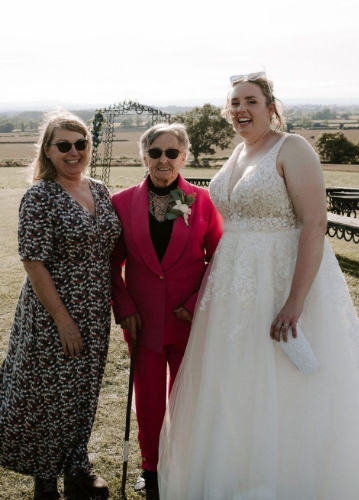
Dress to impress: On average, couples say they are spending £1,216 on bridalwear, £675 on bridesmaids' attire, and £741 on groomswear. 17 per cent are having their wedding outfit tailormade, while 14 per cent of brides will have more than one outfit to wear on the day. One in five (20 per cent) is taking a more cost-friendly approach by buying from a high-street retailer instead of a designer brand. An additional 13 per cent are buying a pre-loved wedding outfit.
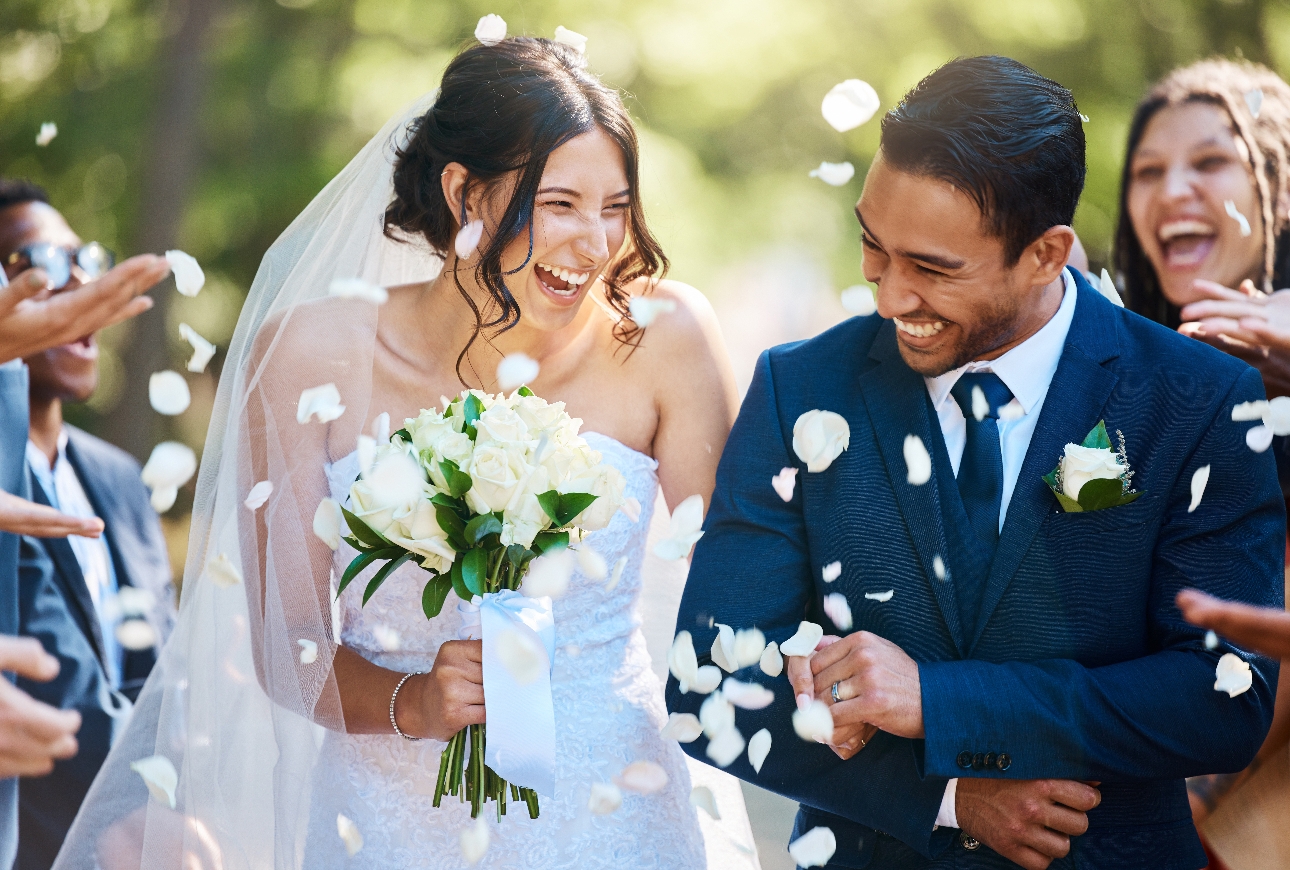
Enviro-mantic celebrations: One in 10 opting for eco wedding Brides and grooms are also adapting their wedding plans to become more sustainable, with 11 per cent opting for an eco-wedding. To help recoup costs, close to three in 10 (28 per cent) plan to sell items from the day, with 13 per cent planning to sell their wedding outfit. Over one in eight couples (15 per cent) plan to go single-use plastic free, while a fifth (20 per cent) of respondents opt for flower petals or natural confetti. One in eight (12 per cent) also plans to re-use and/or re-gift wedding day items.
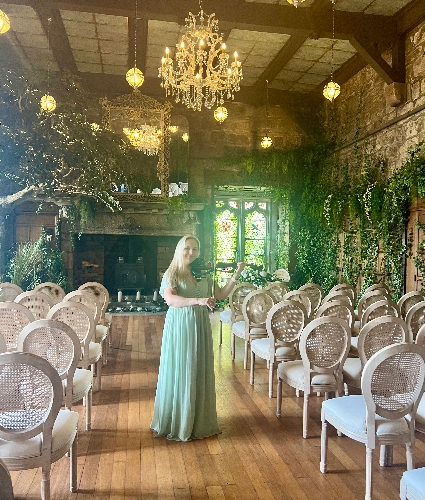
Maximising music: Almost a fifth splash out on live singer Almost a third (31 per cent) of couples prioritise spending on music, with 71 per cent paying for a DJ or live band on the day. To make the event extra special, almost a fifth (18 per cent) are having a wedding singer perform live, while 7 per cent are having a 'silent disco'. Meanwhile, a cost-conscious one in three (32 per cent) are taking a DIY approach to music and entertainment, either by playing or performing themselves, or asking a friend to.
The rise of the "sten" do: 11 per cent are planning a joint stag and hen party Whilst the majority (82 per cent) of couples are having a hen and/or stag party, a quarter (24 per cent) are consulting their friends to ensure the event fits within budgets, while a similar proportion (23 per cent) are having a one-night stag/hen party to make it more economical. One in 10 (11 per cent) are even planning a "sten do" – a joint stag and hen do. Frugal flower buying: 22 per cent are opting for DIY flower arrangements Despite being a traditional part of a wedding, many couples are economising on flowers. Over a fifth (22 per cent) of respondents are doing DIY floral arrangements, while 19 per cent are opting for more cost-efficient displays, by using native or in-season flowers. 13 per cent are going one step further and turning to wholesalers or supermarkets for their flowers. In the first six months of 2023, spending at florists decreased by 10 per cent year-on-year, representing a 14 per cent decrease relative to 2021's post-pandemic wedding spike.
Savvy saving: Three in 10 couples receive financial help from parents Half (48 per cent) of couples are paying for the occasion using allocated wedding savings, whilst a third (33 per cent) saved up by cutting back on spending during the build-up. Three-in-10 (30 per cent) are choosing to have a longer engagement to help them save more, and a third of couples are relying on financial support from parents (31 per cent). A fifth (17 per cent) are going the extra mile and taking on a side hustle or second job to boost their wedding fund.
No such thing as a free lunch: Just 16 per cent offer an open bar to cut costs, three in 10 couples (29 per cent) are having a buffet-style dinner, while almost a fifth (18 per cent) are swapping out champagne for a cheaper alternative. 14 per cent are cutting back on canapes and 13 per cent are making at least some of the food themselves. When it comes to alcohol, a third (34 per cent) are having a paid bar at their wedding. A smaller proportion – 16 per cent – are having a free bar all night, whilst 17 per cent are offering a free bar until a fixed tab runs out. Over one in eight hosts (13 per cent) is encouraging guests to "BYOB" (bring your own booze), and 6 per cent are having a dry wedding.
Esme Harwood, Director at Barclays, said: "Weddings are a perfect example of one of 2023's defining spending trends – despite the cost-of-living squeeze, people are prioritising spending on experiences. People are finding creative ways to cut costs and fund their special day, either by dipping into savings, receiving financial support or generating additional income."
Georgie Mitchell, Wedding Planner and Host of The Unfiltered Bride podcast, said: "I advise couples managing a wedding budget to figure out what is most important to them, and to then invest in making that part of the day special. Realistically, that might mean sacrificing on other weddings elements. Foodies, set aside a chunk of the budget to wow guests with an amazing meal. If entertainment is your priority, scrap the starter and allocate that money to a brilliant band or DJ. There are countless ways to manage costs, such as choosing a single-tier cake, skipping toast drinks, or scrapping canapes. There's a fine balance between treating a wedding like the biggest day of your life, or just another day, so the key is to decide where personal priorities lie."