Want to say 'no' to being a maid-of-honour? Here’s how!
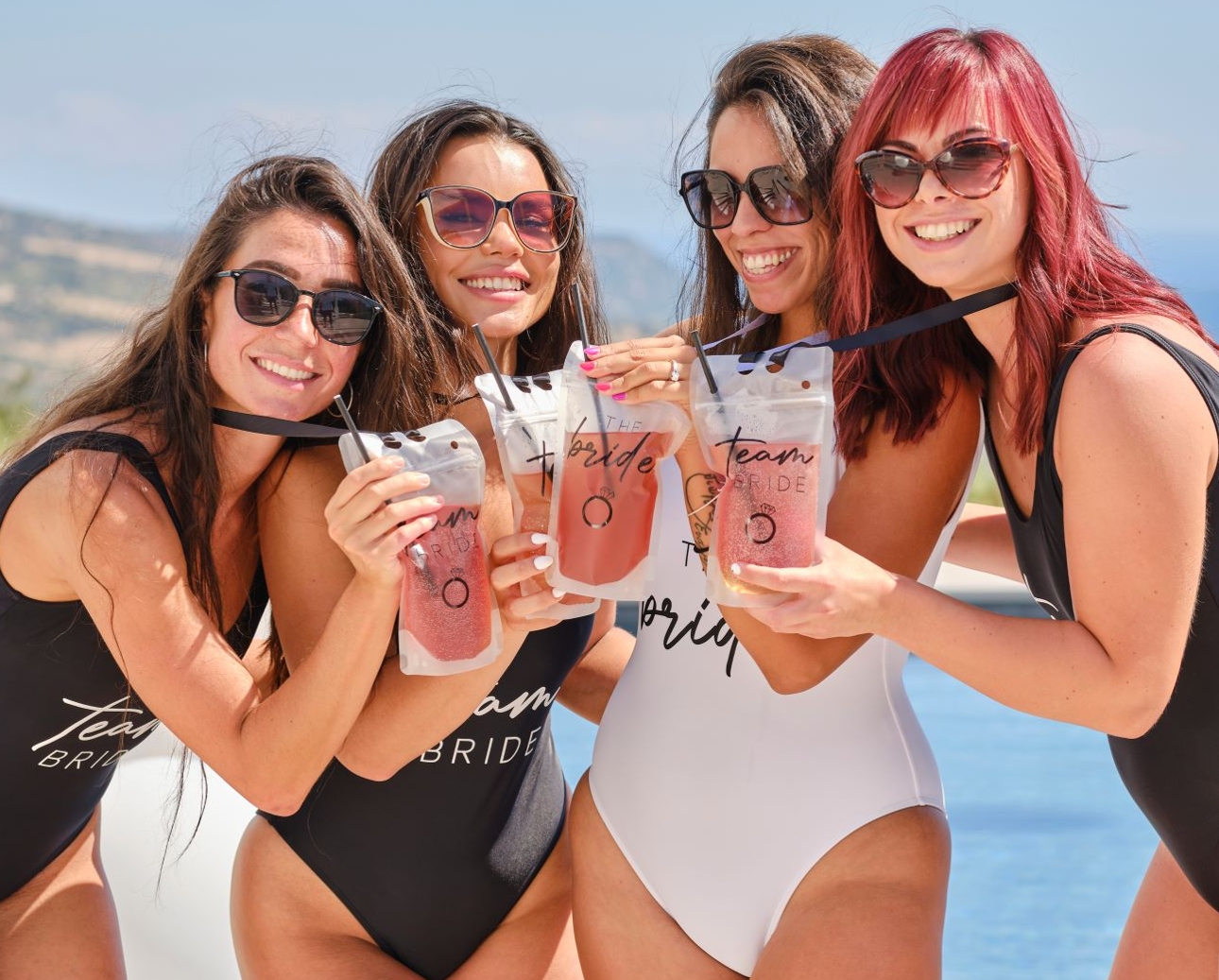
Being a maid-of-honour or even a bridesmaid can be hugely exciting and a big honour, however, it takes responsibility, a lot of time, money and energy, all dedicated to making someone else happy. So if you really don't want to be a bridesmaid, plucking up the courage to turn down an invite might seem like a nightmare.
A new survey from Ginger Ray which seeks to answer some of weddings’ trickiest questions reveals that almost two-thirds (63%) of Brits think it was acceptable to say no to being a member of the wedding party based on the financial burden and additional responsibilities it poses.
Only a third of Brits (30%) believe the couple getting married should cover every cost for the wedding party, and on the contrary, over half (54%) said they shouldn’t pay at all. So with the average cost of attending pre-wedding events and the big day itself as a bridal party member reported to cost a whopping £1,459, the financial burden could be huge.¹
Whether it is the additional costs that come with being a member of the bridal party or just the additional responsibility and commitment that comes with being a bridesmaid or maid of honour- you have every right to say no to being in the wedding party.
However, how do you go about saying no without potentially destroying a friendship? Jess Martin, a wedding planning expert at Ginger Ray shares 3 top tips for turning down an invitation to be a maid-of-honour or a bridesmaid.
Have confidence in your decision “It’s totally acceptable to decline an invitation to play a part in someone’s big day, and not just for financial or time-related reasons. Once you have made the choice to say no, tell the bride as soon as possible so alternative arrangements can be made. The way you go about it is what really matters, and if someone loves you enough to have invited you to be in their wedding, then they will completely understand the reasons why you can’t accept.”
Be open “You need to lead with honesty, and make sure you communicate in a way that’s totally clear and leaves no room for misinterpretation - regardless of how they have sent the invitation in the first place. I’d say this conversation needs to be either face to face, or over the phone, to limit the lack of nuance that comes with text-based communication.”
Express your gratitude “Make sure you thank them for the opportunity, and that knowing they want you involved in their wedding is something you really appreciate, and then just explain that you’re unable to accept their kind offer, and give them your reasons. They love you, they will understand.”
But as the bride, how can you graciously accept your friend declining your invite to be in the wedding party? Jess shares her thoughts: “Of course, it is disappointing if your closest friends turn down an invite to be a bridesmaid or maid of honour, however, you should remember that they probably feel as bad, if not worse than you. This is your time to be a good friend, listen to why they are unable to make the commitment and accept their reasons. Remember, they will still be there at your wedding.
“Don’t let this set the tone for your wedding, remember you set the energy for the big day. Be grateful that they are there to celebrate you. Allow yourself time to digest your feelings then do your best to move forwards and get excited to marry the love of your life!”
To find out how to answer more difficult questions you might encounter when wedding planning, head to Ginger Ray.
New app launches to simplify one of marriage’s biggest admin headaches
Changing your name after marriage can mean updating details with countless organisations, from banks and subscriptions to official documents and employers. New app Name Change Navigator aims to make the process easier, guiding newlyweds through each step from one platform. Founded by Rebecca Dainton, Head of Product at Flutter UK & Ireland, the app was created to reduce the stress and mental load associated with name changes. It supports a range of naming journeys, including traditional surname changes, double-barrelling, blended surnames and other choices following marriage, civil partnership, divorce or personal identity changes. The launch comes as younger generations increasingly rethink traditional naming conventions, with technology offering a more streamlined approach to this often-overlooked part of newlywed life.
READ ARTICLE
Are Brits risking their finances by avoiding the pre-wedding money talk?
For many couples, talking about money can feel far less romantic than talking about the wedding itself. But as more Brits prepare to tie the knot — and with stronger legal rights on the horizon for unmarried couples — new research suggests we may be leaving some important financial conversations until it's too late. From avoiding money talk on first dates to steering clear of prenups, the findings reveal a nation surprisingly reluctant to discuss how to protect their finances, even when differences over money are already putting relationships under strain. Two thirds of Brits (66%) say they would not get a prenuptial agreement before marriage (48%) or have already opted against one (17%) - compared to 42% in both France and Spain. New findings from Europe's second largest neobank, bunq, reveal that Brits are markedly more resistant to prenuptial agreements than their continental neighbours – despite Britain's reputation as the less romantic nation.
READ ARTICLE
Couples could legally get married anywhere - legal comment
The UK Government has unveiled a new consultation to reform the wedding laws in England and Wales which is exploring how wedding ceremonies are conducted, particularly looking at wedding venues. The proposals are seeking to modernise the outdated legislation in this area which will eventually provide couples with greater freedom to decide where and how they will get married. At present, when a couple gets married, they need to have their legal ceremony in a licensed building or a registered place of worship. The existing laws have a further requirement that couples must ensure the individual officiating their wedding ceremony is either an authorised religious minister or a civil registrar.
READ ARTICLE
7 Ways to Make Your Wedding Memories Part of Your Home
As weddings become increasingly personal, couples are moving away from cookie-cutter celebrations and towards details that tell their own story. British Vogue has identified intentionality, personalisation and nostalgia as defining themes for 2026 weddings, while The Knot is highlighting the rise of keepsakes and deeply personal touches. But there is an interesting part of the wedding story that receives far less attention: what happens to those meaningful details afterwards. Here, founder Kate Legodi of Coeur et Maman, specialists in conservation-quality printed photo mounts, shares her advice...