


Outdated wedding laws need to change

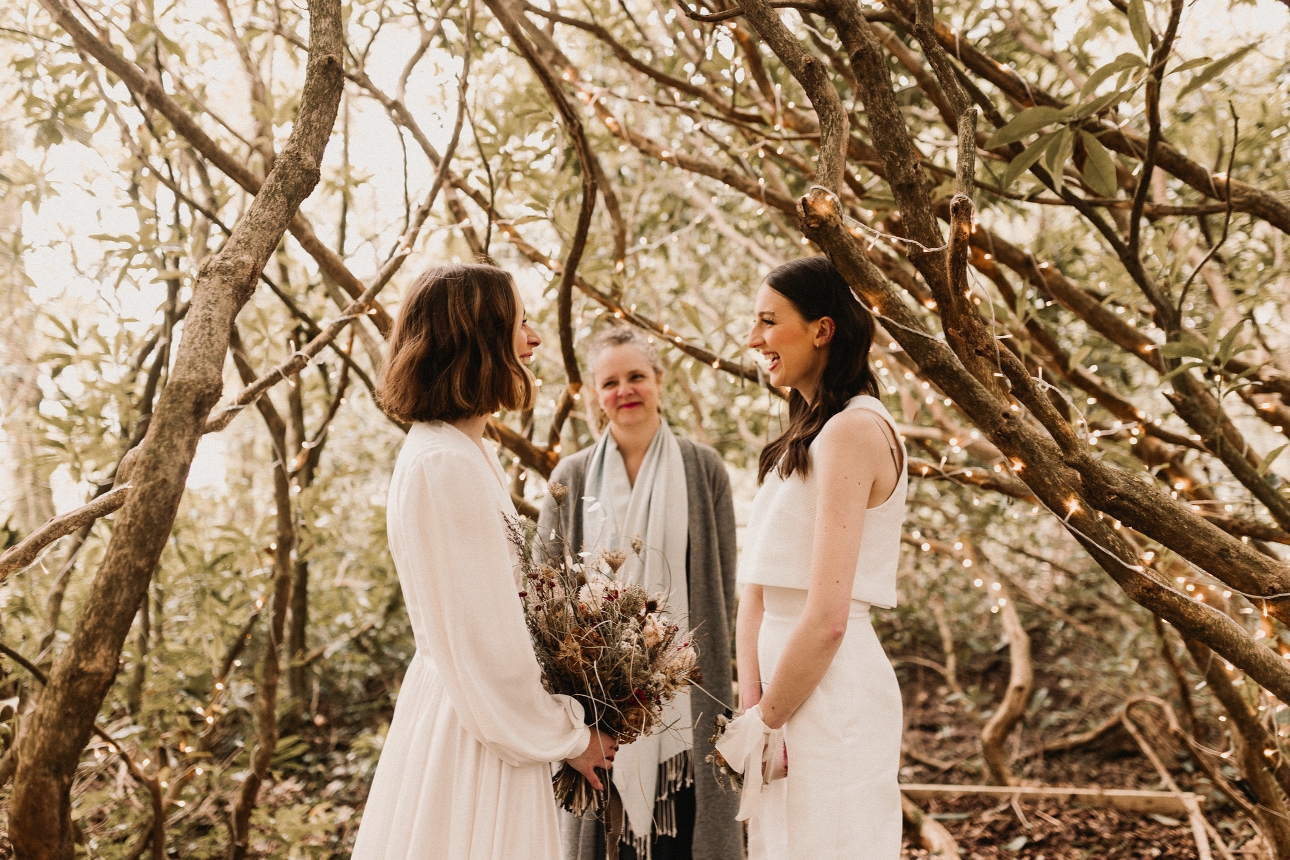
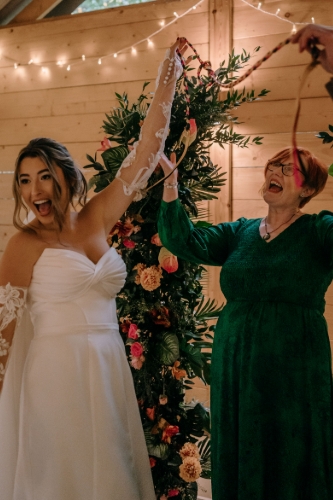
two women in wedding dresses in the woods with a celebrant


In an article earlier this year there was discussion and praise aimed towards the Government's plans to allow outdoor weddings to be made permanent. The article also highlighted the eagerly awaited Law Commission report into marriage laws, which was due to be published in July.

Now it has been published and we have had some time for the dust to settle, Kate Van Rol, Barrister at 4PB has looked into these recommendations, "Are wedding laws at present 'confusing, outdated and restrictive' as the Commission suggest, or would the implementation of their suggestions trivialise weddings and commercialise the ceremony?". Kate continues... 

It seems that whilst these concerns may be considered valid to some, the positives certainly outweigh the negatives when it comes to changing marriage laws. The Commission recommends a new system focussing on a marriage officiant responsible for the ceremony, rather than the building. As expected, this would permit more outdoor venues for ceremonies – but the reach is further than we had anticipated, including possible venues such as gardens, beaches, forests, parks and cruise ships. This means that soon-to-be-weds will be able to get their creative juices flowing even further when planning the ceremony of their dreams. They will be able to wed at a venue which holds more meaning to them as a couple.

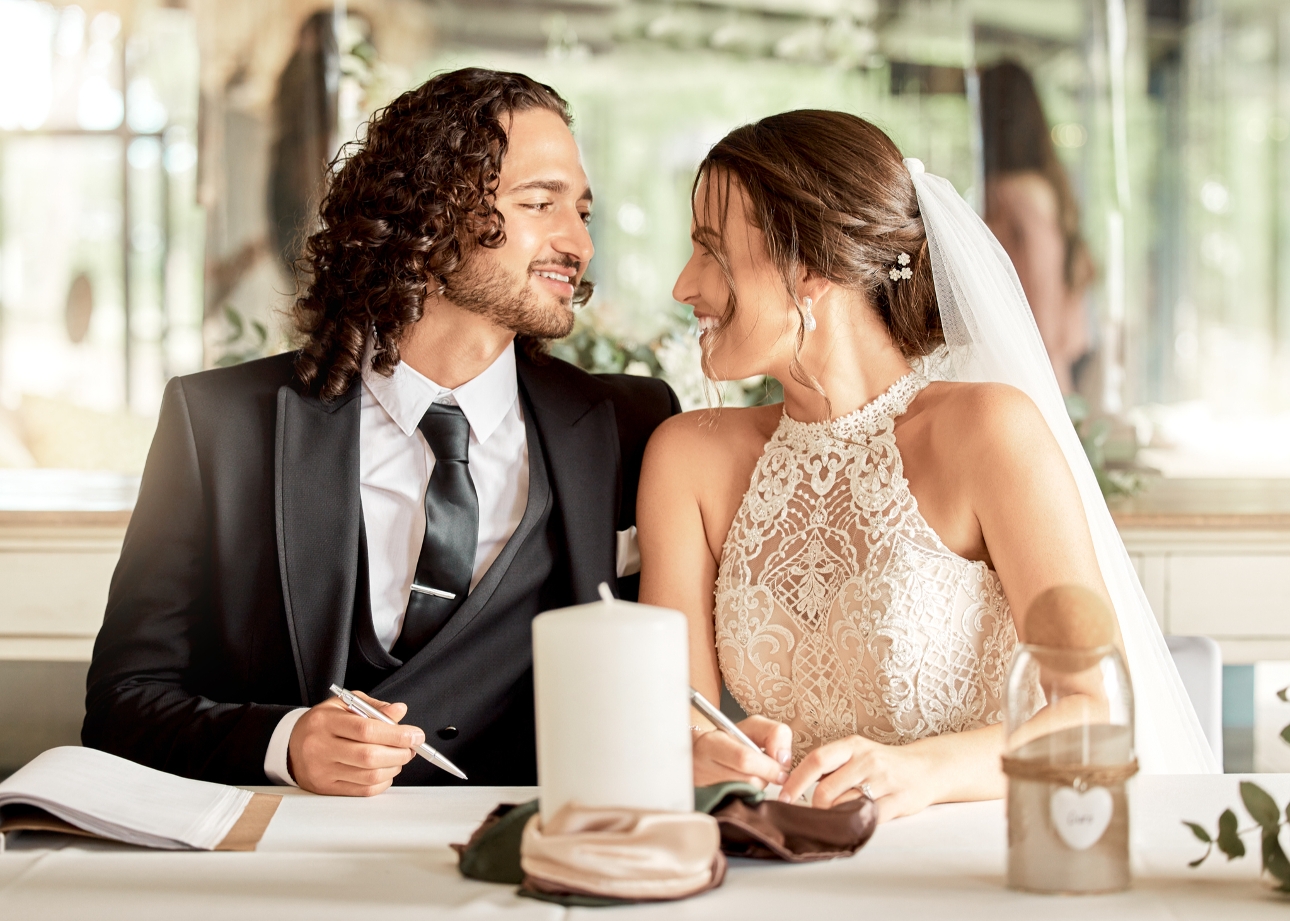
couple signing the register

There are many positives to this, based around five principles for reform:
1. Certainty and simplicity;
2. Fairness and equality;
3. Protecting the state's interest;
4. Respecting individuals' wishes and beliefs; and
5. Removing any unnecessary regulation, so as to increase the choice and lower the cost of wedding venues for couples.

The key parts of our current wedding laws date back to 1836, and the Commission suggests that it is time to overhaul and modernise these laws. This would also place English laws in line with other countries including Scotland, Northern Ireland, Jersey, New Zealand, Australia and Canada.

But what about the concerns that weddings will be trivialised? Well, the Commission suggest that there would still be enough safeguards in place to preserve the dignity of weddings and the longstanding practices and rules of religious groups, as we know them. There are still certain processes that marrying couples must follow in order for their ceremony to be legally valid and all marriages need to be entered in the marriage register, which must be signed by both parties, two witnesses and any individual conducting the ceremony. It's vital that the ceremony be conducted by an individual (or in the presence of an individual) who is authorised to register marriages in the district. It's important to note that if that person isn't authorised to register marriages, the person who is registering the marriage must sign instead.

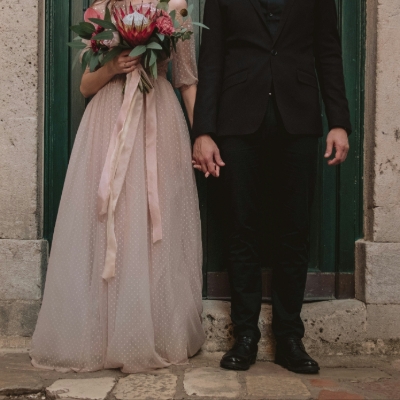
two grooms blue suit embracing

Additionally, the Commission believes that the reforms would enhance protections against forced and predatory marriages while maintaining existing protections against sham marriages.

The new laws would also allow for a religious ceremony led by an interfaith minister, meaning the ceremony could contain aspects of both parties' beliefs, should they differ. This, in fact, strengthens the importance that a wedding ceremony can have, and allows a greater respect to the individuals involved.

For all couples considering marriage, more choice in how and where to hold their ceremony is certainly a big positive. While many may hurry into holding their wedding ceremonies (particularly after two years of weddings being postponed during the pandemic), it is still important to consider that marriage comes with legally binding financial consequences and expectations. Marriage should absolutely be a positive step in many couples' lives, but it's also a decision that should be taken seriously and not rushed into with haste.

If you are interested in this report, you can view it in full here: https://www.lawcom.gov.uk/project/weddings/

You may also be interested in

Gifting options for the upcoming wedding season from BHS

Gifting options for the upcoming wedding season from BHS

Wedding gifts for the 2026 wedding season should be meaningful twists on classic gifts like home décor reflecting a couple's personalities. There is also a growing emphasis on sustainability and intentional gifting, with eco-friendly products becoming more common. Ultimately, the trend in 2026 is about thoughtfulness - choosing a gift that feels unique, useful, and emotionally significant rather than simply ticking a box.

READ ARTICLE

Everything you need to know about prenups

Everything you need to know about prenups

Prenups are fast becoming a key part of wedding planning for many Brits, with new data from leading law firm Mills & Reeve showing a sharp surge in demand during the second quarter of the year, dubbed by the law firm as 'prenup season'. Brett Frankle, partner at Mills & Reeve, explains how the trend has developed and why more couples are choosing to put agreements in place ahead of their wedding. Over the last five years, we have seen a sharp rise in prenups between April and July, linked to summer weddings, preholiday planning and timesensitive instructions before ceremonies, with July proving particularly popular.

READ ARTICLE

The ‘I Do’ Dilemma: Why Couples Struggle to Sign Their New Names

The ‘I Do’ Dilemma: Why Couples Struggle to Sign Their New Names

More couples than ever are choosing to combine their surnames after marriage, but many are running into one unexpected problem: they can't sign their new name. Searches for "combined surnames" have risen by 37% in the past month, according to new data analysed by luxury pen brand Scriveiner. Interest has been steadily increasing over the past year, with a clear spike in the lead-up to wedding season between late spring and early autumn.

READ ARTICLE

The Overlooked Legal Steps That Could Invalidate Your Wedding

The Overlooked Legal Steps That Could Invalidate Your Wedding

Planning a wedding in the UK comes with a surprising number of legal "gotchas" that couples often overlook. Following reports that Olivia Attwood and Stacey Solomon had elements of their weddings deemed non-legal, along with summer being peak wedding season, jewellers Queensmith are reminding couples of the most common legal pitfalls so they can enjoy their big day with peace of mind. From giving notice at the register office to having the right witnesses in place, missing just one requirement could mean your dream wedding isn't legally binding.

READ ARTICLE

Follow Your Yorkshire Wedding Magazine on Facebook

VISIT SITE

Follow Your Yorkshire Wedding Magazine on YouTube

VISIT SITE

Blackwell Grange Hotel

VISIT SITE

Lister Horsfall

VISIT SITE