Wedding day jitters are normal — but not necessarily welcome! In this article Jo Webber, Herbal Education Lead at Pukka Herbs, shares four natural ways to keep them at bay.
Weddings are one of the most significant life events you can go through, so its no surprise that wedding day jitters are so common. Even the most committed couple are bound to get butterflies when standing up in front of everyone they know to say their vows, and no matter how excited you are to tie the knot, nerves before or even during the ceremony are completely normal. That said, no one wants nervousness and anxiety to get in the way of enjoying their big day. But how can you relieve your wedding day jitters in a natural way? Here, I'll share four simple methods for curbing your nerves ahead of a wedding.
Get organised There's a lot to be said for being organised, especially in times of stress. In the lead-up to a wedding, even something as simple as journaling or writing a to-do list can help you organise your thoughts and make your worries seem much more manageable. If you're worried about something in particular, make that your focus and draw a map of potential outcomes and solutions. If you're nervous in general, try listing all the parts of your wedding day that you're looking forward to the most. Slowing down and taking the time to write things out on paper may allow you to process your thoughts better and put them in perspective, easing your worries.
Relax You may have many plans and people to see in the days leading up to the wedding, but it's important you take time out of your schedule to relax too. Like any other time in your life, your body will benefit from exercise, nourishing meals, self-care, and time alone to do whatever it is you like to do to unwind. If you'd prefer to spend time with others, try choosing a relaxing group activity such as a visit to a spa. If you can, try to avoid drinking too much alcohol — in many cases this may make your anxiety worse as well as impacting the quality of restorative sleep. So, try scheduling any hen or stag dos for a week or two before the big day, if possible, to help keep nerves at bay.
Try herbal remedies If your wedding day nerves are getting the better of you, you can supplement your chosen coping mechanism with some herbal remedies. There are plenty of herbs that have been used as stressbusters throughout the centuries, and many of them are still used today to ease anxiety and soothe stress. Ingredients to look out for include chamomile, lavender, and valerian root, plus more exotic herbs like shatavari, tulsi, and ashwagandha. These can be taken as supplements whenever you feel overwhelmed, or you can sit and unwind with a cup of herbal tea when you want to take a moment of self-care away from the hustle and bustle of the event.
Breathe When panic sets in, everyone tells you to breathe. But does taking deep breaths actually help when you're stressed? Breathing exercises can help deliver more oxygen to your brain and body, which can reduce blood pressure, slow the heart, and untie any knots or tension you may have in your stomach. So yes, breathing really does help! One key breathing technique is to make the exhale longer than the inhale —for example, try breathing in for four seconds, then out for eight seconds. This activates the parasympathetic (rest and digest) side of the nervous system. Like to stay active? Yoga is fantastic for helping with your breathing, calming your mind and nervous system. Plus, all the stretching involved is great for improving blood flow.
Nerves are perfectly normal, but if you're worried about them getting in the way of your wedding day, there are plenty of methods you can try to keep your emotions in check. From herbal remedies to breathing, light activity, and journaling, take the time to find the right method for you — then you can get hitched without a hitch!
Lifestyle brand House of Janneke is expanding its collection of meaningful keepsakes with two new titles: The Book of Special Guests and The Book of Special Recipes, designed to preserve the people, stories and traditions that matter most. Following the success of The Book of Special Days, founder Janneke Simpson has created two beautifully presented books that encourage owners to capture memories by hand, creating personal mementoes to revisit and pass down through generations.
READ ARTICLE
The A/W 2026 wedding trends: softer tailoring, richer tones and seasonal florals
From chocolate and camel tailoring to dahlias and trailing amaranthus, autumn/winter weddings are embracing richer colours and softer styling. As the autumn/winter wedding season gets underway, couples are moving away from rigid, perfectly matched styling in favour of looks that feel more relaxed, personal and connected to the season. Jess Levick, Assistant Buyer at Suit Direct, shares the key tailoring and styling trends shaping A/W 2026 occasionwear, alongside Lucy Hook, Floral Lead at Bloom & Wild, who reveals the flowers, colours and textures set to be popular for bouquets and displays this season.
READ ARTICLE
What to do now to get your finances ready for 2027
Aileen Robertson, Tesco Bank's Head of Savings, has shared ways soon-to-be-wedded couples and newlyweds can build healthy savings habits and step into 2027 feeling more confident about their shared futures! Aileen Robertson, Head of Savings at Tesco Bank, comments: "The start of a new year often feels like the perfect opportunity for a fresh start, with people embracing resolutions and looking to turn over a new leaf. But creating new habits can take time as people settle back into their routines, and sometimes those good intentions never quite get off the ground. "If you're trying to stay on top of your finances in 2027, taking small steps now can make that journey much easier. It's important to remember that it's never too late, or too early, to start working towards your goals. Setting them is the first step, whether they're big or small, so think about what you want your money to do for you. From here you can start to work towards your goals, building good savings habits along the way, and see your money grow over time."
READ ARTICLE
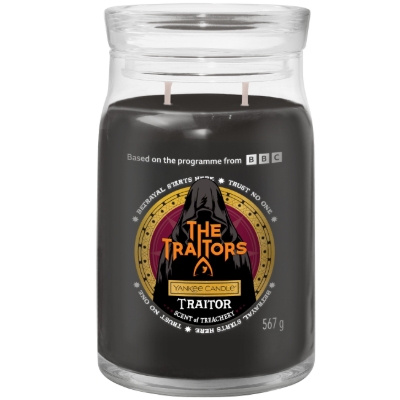
Yankee Candle® launches limited-edition The Traitors collection
Fans of the BBC's hit reality show The Traitors can bring a little intrigue into their homes this autumn with a limited-edition candle collection from Yankee Candle. Inspired by the BAFTA-winning series, the new collection features two Signature Large Jar Candles: Faithful and Traitor. Each fragrance represents a different side of the game, inviting fans to choose their allegiance while settling in for the latest round of suspicion, secrets and unexpected reveals. Faithful is designed to evoke comfort and calm, blending cashmere vanilla and rose with a warm amber base. Its soft, powdery fragrance is ideal for cosy evenings spent analysing clues and debating who can be trusted.