Loved-up Brits turn to puzzles to pop the question
A new craze sweeping the UK is seeing hundreds of people send their partners a puzzle to crack that unlocks a code to a video or text message comprising the four magical words: "Will you marry me?"!
However, if you're already engaged fear not, as you can use this same innovative idea for wedding day messages, or asking your loved ones to be your bridesmaid and groomsmen etc.
The craze of 'puzzle proposals' was sparked by the launch of a website in July 2020, after a locked down London-based couple, Bobbie Jackson and Will Hall, found themselves with a fair bit of time on their hands. They proceeded to spend the first months of lockdown in their kitchen creating puzzles to surprise family and friends with.
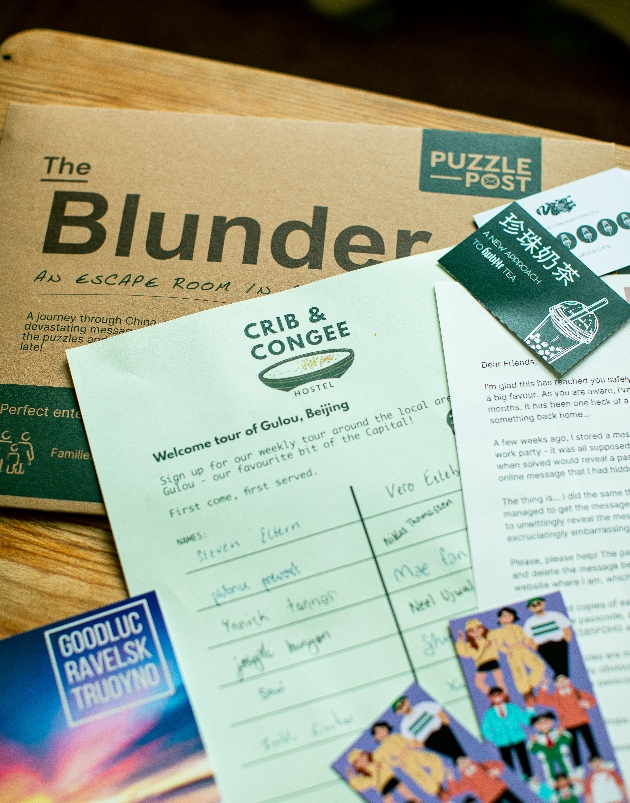
Their puzzles soon turned into Puzzle Post, a unique new company that enables people to send a secret message in the post, one that can only be revealed by solving the puzzles inside. Upon solving the puzzles, the recipient uncovers a code to unlock a Top Secret Online Vault, thus revealing the message and the identity of the sender.
Just two years after launching Puzzle Post, they have just passed the symbolic milestone of 100,000 puzzles posted to people around the UK. The messages being sent range from 'Congrats Granny, I'm pregnant!' and 'We're having a ... BOY! xx', to "Shall we try for another baby?' and 'Will you be my best man?'.
Puzzle 'poster', Phoenix Tear from York, said in her message to now fiancé, Callum Campbell: "Hello Sweetie! Fancy a new adventure? One where I get to show you how much I love you every day until the end of time? You're my universe and I never want to live a day without you by my side so will you marry me and make me the happiest woman alive?"
Puzzle cracker, Phoebe, based in London, is another recipient of a puzzle from Puzzle Post. Phoebe says: "My now fiancé sent me one of your puzzles for Christmas. On solving the puzzle he put his own personal note inside for me to check for my final present in my stocking, and it was my engagement ring! This puzzle post is now pinned on our notice board as a forever reminder of this wonderful occasion."
A third puzzle proposer said: "I was hoping one day you'd get all traditional and get down on one knee but since you haven't (and you're not all that traditional!) I thought I'd try being a bit non-traditional too. Fancy getting married?"
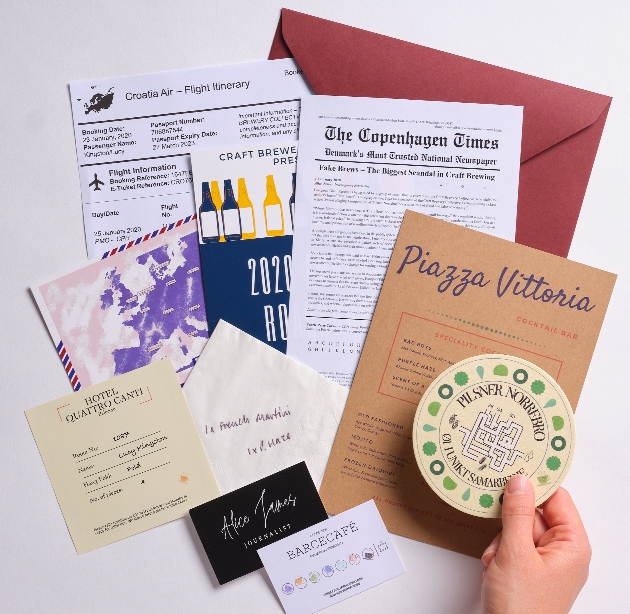
Puzzle Post's products are fully immersive escape room-style games with an individual story running through each one. The games are made up of authentic and professionally made pieces that conceal the puzzles within – a mixture of business cards, beer mats, menus and flyers. Recipients use the real objects as well as their phone, the internet and genuine websites to decipher codes and reveal hidden meanings. There are three key formats:
Personalised puzzles. Send an encoded message, one that can only be revealed by completing the puzzles inside the kit. You can include images and text in the secret message to be revealed at the conclusion of the game. No one will know who the sender is until the puzzles are solved. The game lasts 60-90 minutes and can be played by 1-4 players.
Kids' puzzles. These offer the same personalised message but for children between 7-10 years old. The three stories centre around Astronaut Alice on the Puzzle Post Space Station or Agent Jones of the Secret Service, as well as a Christmas game, where children can help Santa's elves to save Christmas.
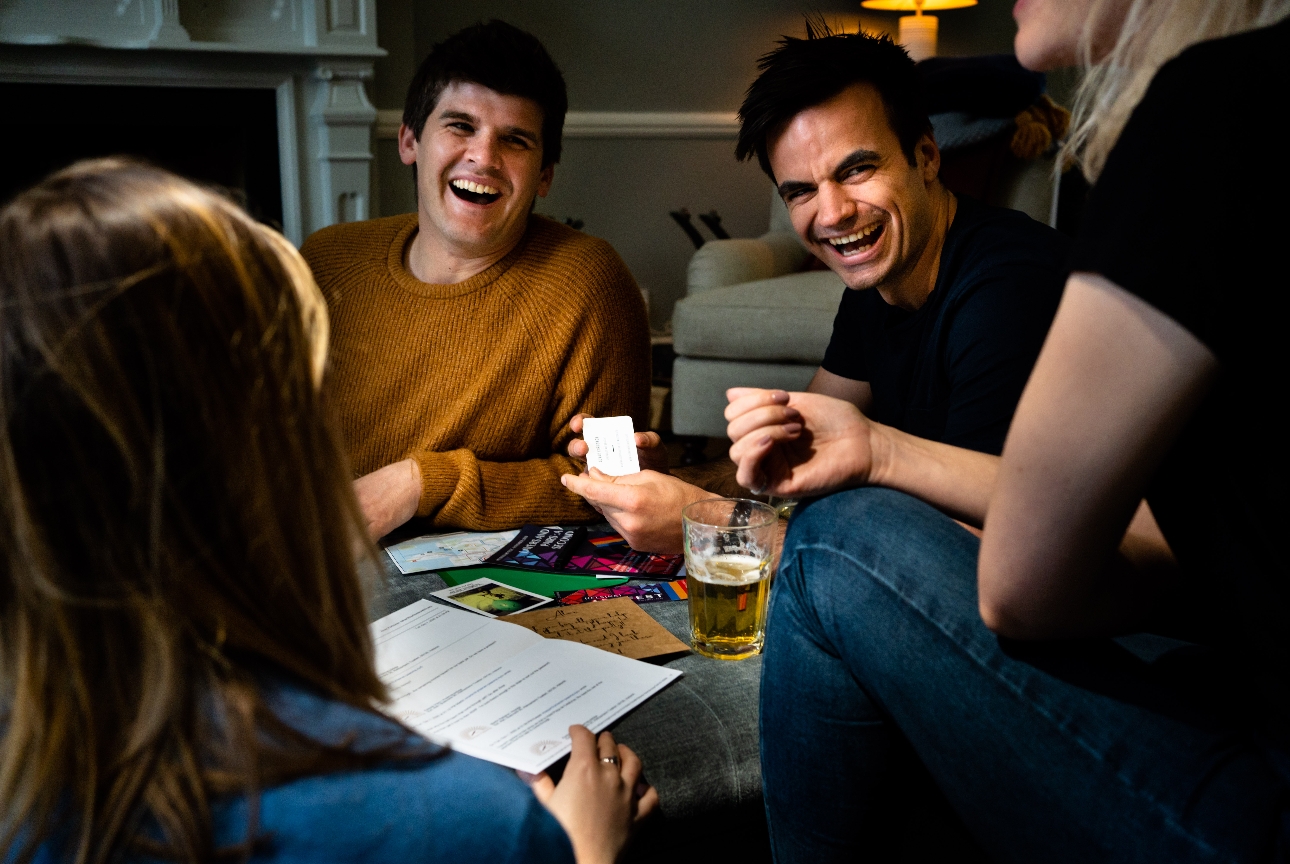
Dinner party editions: An at-home escape room that you can play around your own table. The game includes 10 individual puzzles, and has an interactive online ending. All the pieces are designed to be as immersive as possible, e.g. enter the world of the Marseille Tennis Championship. You can complete the game individually but Puzzle Post recommends people get a group of friends and family together to tackle this challenge. There are ten puzzles to solve in total and plenty to entertain a small group for an hour or so. We'd recommend 8 people maximum though to ensure everyone can be involved.
Bobbie Jackson, Co-Founder of Puzzle Post, commented: “From creating our first prototypes in our kitchen during lockdown and persuading friends and family to spend time cracking the puzzles, to finally pressing the button on our first order, Will and I have loved every minute of our journey so far. The puzzles we’ve created are proving perfect for marriage proposals, birthday messages, surprise gifts, announcements or just a fun night in. Some of my loveliest childhood memories were finishing the puzzle-based treasure hunts that my mum and godmother wrote for my sisters and I. The joy of working something out on your own, and of knowing a secret, was truly thrilling. This is what Puzzle Post is all about.”
Yankee Candle® launches limited-edition The Traitors collection
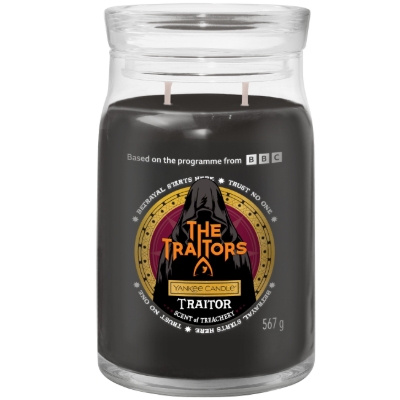
Fans of the BBC's hit reality show The Traitors can bring a little intrigue into their homes this autumn with a limited-edition candle collection from Yankee Candle. Inspired by the BAFTA-winning series, the new collection features two Signature Large Jar Candles: Faithful and Traitor. Each fragrance represents a different side of the game, inviting fans to choose their allegiance while settling in for the latest round of suspicion, secrets and unexpected reveals. Faithful is designed to evoke comfort and calm, blending cashmere vanilla and rose with a warm amber base. Its soft, powdery fragrance is ideal for cosy evenings spent analysing clues and debating who can be trusted.
READ ARTICLE
Traitors, Bake Off and Strictly: the TV-inspired hen dos you can actually book
With The Traitors, Strictly Come Dancing and The Great British Bake Off all back on our screens, hen and stag parties can take inspiration from some of the nation's favourite TV shows. Chillisauce is offering groups the chance to recreate the drama, dancing and baking challenges for themselves, with experiences designed to bring a little competitive spirit to pre-wedding celebrations. Whether you fancy uncovering a secret traitor, putting your baking skills to the test or learning a new dance routine, there are options to suit a range of groups and locations across the UK. Discover three TV-inspired hen and stag party ideas, from murder mystery experiences in 26 locations to baking challenges and themed dance classes....
READ ARTICLE
ALDI launches new wick-ed £4.99 confetti Halloween candles
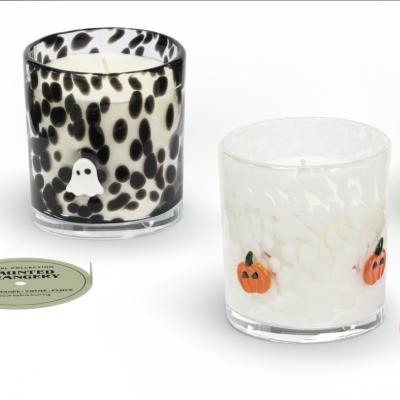
Aldi is getting into the Halloween spirit with its new Hotel Collection Halloween Confetti Candles, priced at just £4.99 each. The 180g candles feature colourful confetti patterns and come in three designs: Ghost, Pumpkin and Black Cat. Each candle offers an approximate burn time of 34 hours, making them an affordable way to add an autumnal touch to the home. Shoppers can choose from three seasonal fragrances, each with its own distinctive blend of notes.
READ ARTICLE
Looking ahead to wedding trends for hens and stags in 2027
Hen Dos Stay Home While Stags Head Abroad, Chillisauce Data Reveals: Hen parties are increasingly choosing UK destinations, while stag groups are becoming more likely to head overseas, according to booking data from Chillisauce, which suggests the divide could widen further in 2027. The company's figures show that the proportion of hen bookings taking place in the UK rose from 69% in 2024 to 76% in 2026. Over the same period, the share of stag dos abroad increased from 59% to 68%. Robyn Davis, Head of Stag and Hen at Chillisauce, says affordability and accessibility are helping to shape hen party plans.