Weddings come in all different shapes and sizes, and there are so many unique traditions that make them special in different countries. There are many customs you are likely already familiar with, such as proposing with a diamond engagement ring and throwing your bouquet on the big day. However, there are so many other interesting traditions from around the globe that you're sure to love.
New research from engagement ring retailer, Angelic Diamonds, takes us on a trip around the world to find out more about wedding traditions and costs in every corner of the globe. Today, we're taking a closer look at some of our very favourite traditions. Despite their differences, there is one thing that all these traditions have in common. They are all in place to bring luck, happiness, and love to a union between the happy couple.
Norway One beautiful and symbolic tradition celebrated in Norwegian wedding ceremonies is the customary Norwegian bridal crown. During the ceremony, the bride will wear an ornate crown crafted in silver and gold (this is often an heirloom piece). These crowns are traditionally fitted with charms that dangle from the headpiece and make jingling sounds. According to superstition, the sound of the charms is meant to ward off evil spirits and bring luck to the newlyweds.
China There are plenty of unique wedding traditions in China, from the customary tea ceremony to the ornate red and gold invitations. One particularly unusual custom, however, involves the shooting of bow and arrows. As the tradition goes, the groom will use headless arrows to shoot his bride three times. After that, he will collect the arrows and snap them during the ceremony, to ensure the couples' long-lasting love.
Greece In Greece, it is traditional for brides to wear a delicate "Stefana crown" on their wedding day. This ornate crown symbolises an honour being bestowed on the bride by God and is an important part of the union in Greek orthodox wedding ceremonies. Another popular wedding tradition in Greece is the quite literal role of the "groomsman". Before the ceremony, the groom's best man has the responsibility of shaving the groom's face. This action is meant to signify trust and companionship.
Germany There are many things that make German weddings unique, from the ceremony itself to the fun and games leading up to the big day. One unusual German tradition occurs the evening before the happy couple ties the knot – it's known as Polter night (or Polterabend). During Polter night, the wedding guests smash up pieces of porcelain in order to bring luck to the bride and groom and scare away any evil spirits.
Russia One of the many wedding traditions celebrated in Russia involves the custom of "paying the ransom". This involves the groom going to the bride's home on the morning of their big day so that they can travel to the ceremony together. However, it isn't that simple! When the groom arrives, he has to get past a series of tests and questions set by the bride's friends before he can cross the threshold and be reunited with his other half.
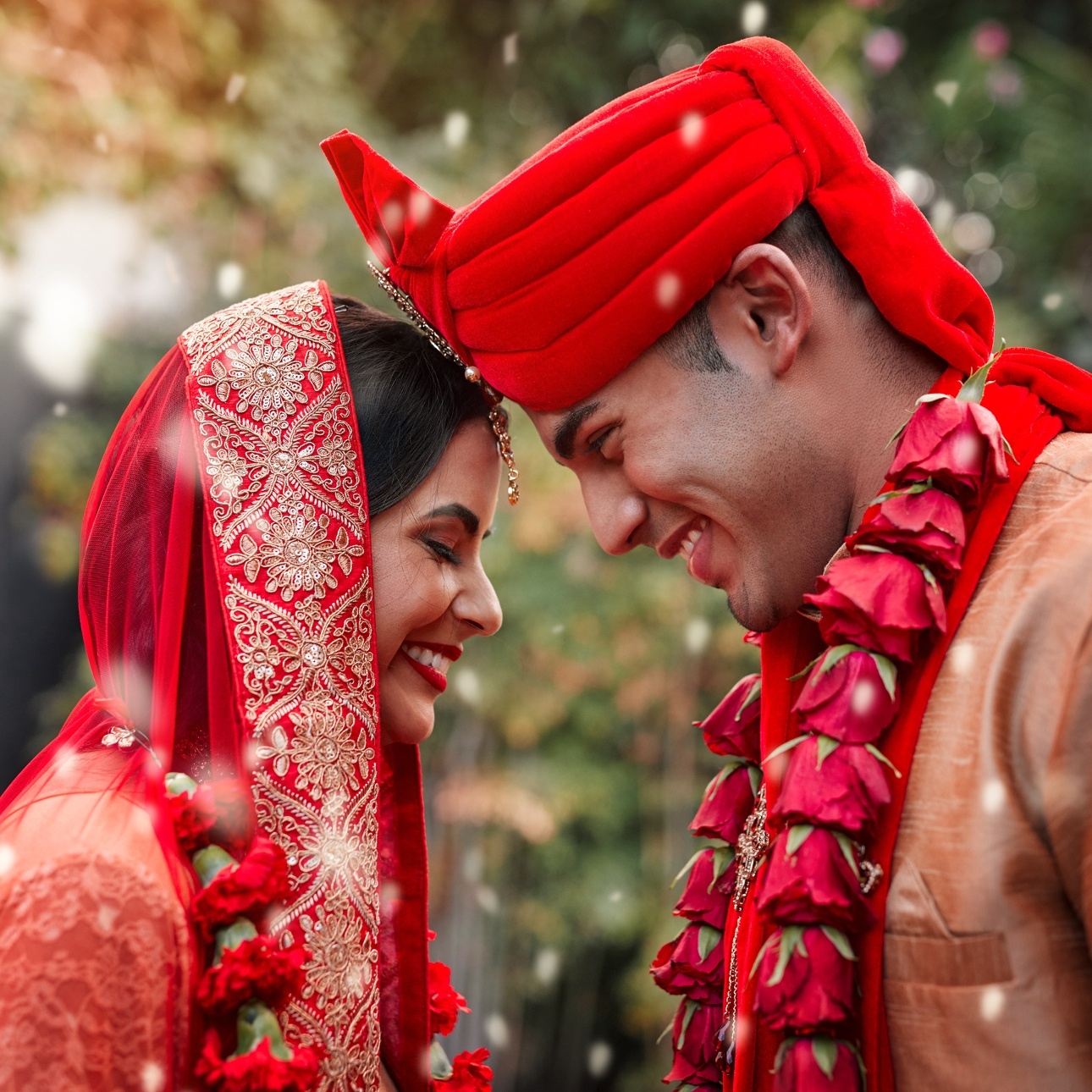
India There are so many wedding traditions that are celebrated across India. After all, Indian wedding celebrations usually last at least three days, and they're packed with unique traditions (with plenty of partying thrown in!) One important element of the celebrations is the Misri ceremony. In this custom, the couple exchange flower garlands, rings, and prayers to bring happiness to the union. During the Misri, the couple will also be presented with a basket of gifts and sweets including rock sugar. The sugar is meant to symbolise the sweetness of their future together.
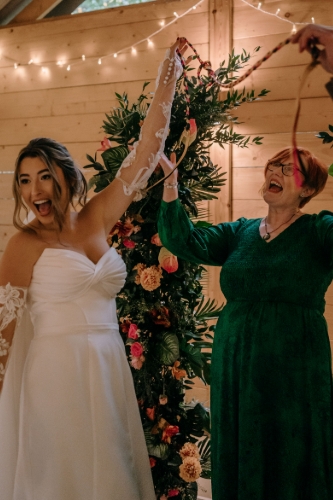
Mexico On our final stop on our trip around the world, we land in Mexico. One unique Mexican wedding tradition is "el Lazo" also known as the "wedding lasso". This custom involves the bride and groom being connected by a lasso crafted from rosary beads and flowers. Being united by the lasso represents their coming together as one and is a way of celebrating their everlasting love. Of course, these are only a few of the thousands of wonderful wedding traditions that are celebrated worldwide – each country has something unique to offer, full of beauty and symbolism.
New app launches to simplify one of marriage’s biggest admin headaches
Changing your name after marriage can mean updating details with countless organisations, from banks and subscriptions to official documents and employers. New app Name Change Navigator aims to make the process easier, guiding newlyweds through each step from one platform. Founded by Rebecca Dainton, Head of Product at Flutter UK & Ireland, the app was created to reduce the stress and mental load associated with name changes. It supports a range of naming journeys, including traditional surname changes, double-barrelling, blended surnames and other choices following marriage, civil partnership, divorce or personal identity changes. The launch comes as younger generations increasingly rethink traditional naming conventions, with technology offering a more streamlined approach to this often-overlooked part of newlywed life.
READ ARTICLE
Are Brits risking their finances by avoiding the pre-wedding money talk?
For many couples, talking about money can feel far less romantic than talking about the wedding itself. But as more Brits prepare to tie the knot — and with stronger legal rights on the horizon for unmarried couples — new research suggests we may be leaving some important financial conversations until it's too late. From avoiding money talk on first dates to steering clear of prenups, the findings reveal a nation surprisingly reluctant to discuss how to protect their finances, even when differences over money are already putting relationships under strain. Two thirds of Brits (66%) say they would not get a prenuptial agreement before marriage (48%) or have already opted against one (17%) - compared to 42% in both France and Spain. New findings from Europe's second largest neobank, bunq, reveal that Brits are markedly more resistant to prenuptial agreements than their continental neighbours – despite Britain's reputation as the less romantic nation.
READ ARTICLE
Couples could legally get married anywhere - legal comment
The UK Government has unveiled a new consultation to reform the wedding laws in England and Wales which is exploring how wedding ceremonies are conducted, particularly looking at wedding venues. The proposals are seeking to modernise the outdated legislation in this area which will eventually provide couples with greater freedom to decide where and how they will get married. At present, when a couple gets married, they need to have their legal ceremony in a licensed building or a registered place of worship. The existing laws have a further requirement that couples must ensure the individual officiating their wedding ceremony is either an authorised religious minister or a civil registrar.
READ ARTICLE
7 Ways to Make Your Wedding Memories Part of Your Home
As weddings become increasingly personal, couples are moving away from cookie-cutter celebrations and towards details that tell their own story. British Vogue has identified intentionality, personalisation and nostalgia as defining themes for 2026 weddings, while The Knot is highlighting the rise of keepsakes and deeply personal touches. But there is an interesting part of the wedding story that receives far less attention: what happens to those meaningful details afterwards. Here, founder Kate Legodi of Coeur et Maman, specialists in conservation-quality printed photo mounts, shares her advice...