Everything you need to know about wedding traditions
Traditions have played a huge part in weddings for hundreds of years, with more recent, modern weddings incorporating a mix of both old and new. With the wedding season in full swing, here's some of the most popular wedding traditions, looking at their origins as well as modern alternatives. Here at County Wedding Magazines HQ we still love some of the classics, such as exchanging the rings and having a wedding cake, but would happily say 'cheerio' to the father-daughter dance and throwing the bouquet! Five-star hotel The Grand, York highlights some of the most popular wedding traditions, looking at their origins as well as modern alternatives. Have a read and see how many you want to keep!
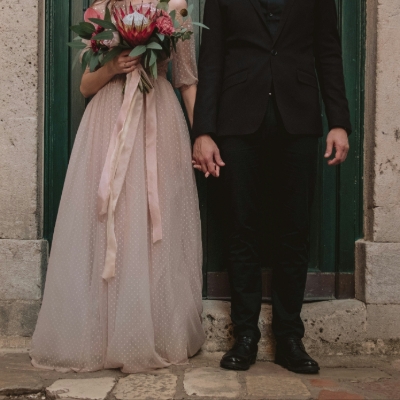
The White Dress Queen Victoria wore an ivory-white gown on her wedding day in 1840, back when keeping white clothing clean was a sign of your wealth, and since then white wedding dresses have become a signature tradition at western weddings. In recent years, more brides are saying goodbye to the traditional white wedding dress, opting for more unique coloured gowns instead in muted shades of nude, blush pink and silver. In a complete contrast, black wedding dresses have also increased in popularity in recent years, with 16,000 monthly google searches in the UK alone.
Giving Away The Bride In current times, for many fathers and daughters, the custom of giving away the bride is a touching moment during the wedding ceremony. However, the origins aren't as pleasant, with the tradition dating back to the Middle Ages when daughters were considered their father's property and were given away in exchange for money. These days, it's up to the bride who gives her away. It can be a special moment shared between the bride and her father, mother or even a sibling, with some modern brides even choosing to walk themselves down the aisle. Since there aren't traditional bride-groom roles in same-sex weddings, in these instances it's completely up to the couple as to who is given away. There are various options to choose from, including both walking down the aisle with their respective parent, walk together with one person of mutual importance or simply walk together hand-in-hand.
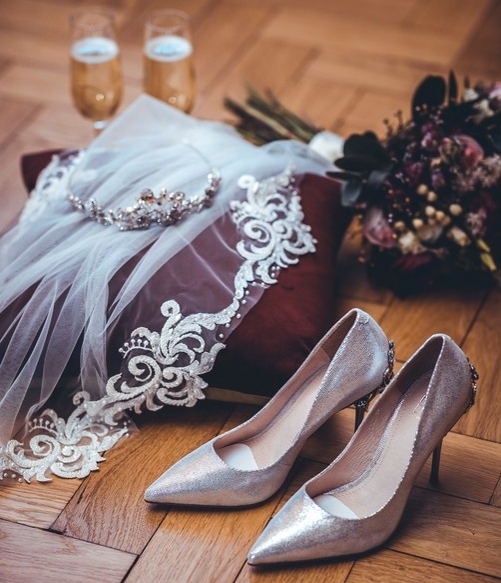
Something Old, New, Borrowed, andBlue Originating back to an old Victorian rhyme, this tradition refers to things the bride is supposed to wear on her wedding day to have a successful marriage. "Something old" was used to ward off the evil eye and protect any future children, but also represents the link with the bride's family and the past. "Something new" offers optimism for the future and "something borrowed" brings the couple good luck. "Something blue" was also meant to deflect the evil eye, but the colour blue also represents faithfulness and loyalty. In modern days, this tradition extends beyond trinkets for the bride. Two grooms can borrow their grandfathers' cuff links or bridesmaids can dress in blue for a nod to the tradition.
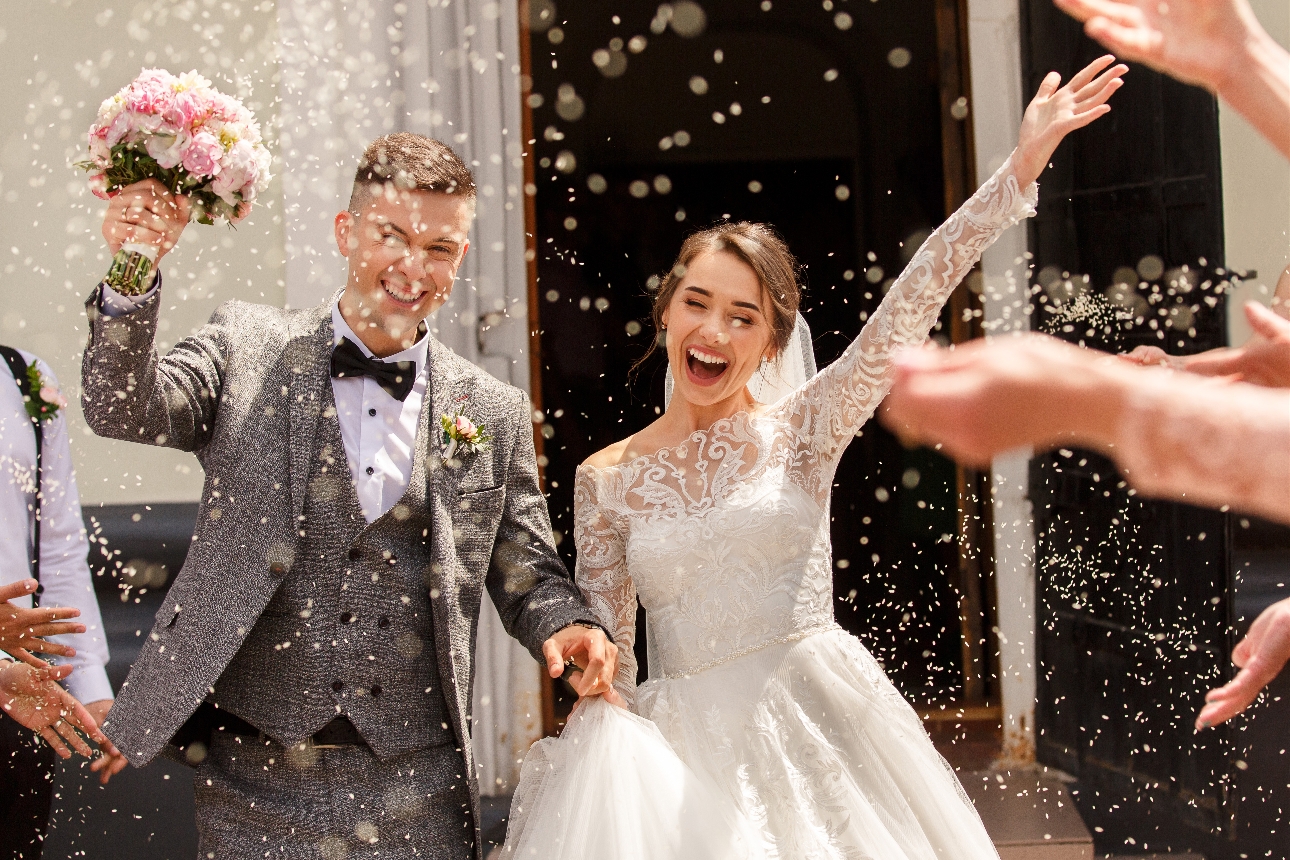
Throwing Confetti Throwing confetti after the newlyweds' exit the ceremony is a tradition rooted in wishing fertility and prosperity for the couple. Exit tosses originate as far back as ancient Rome, and as the tradition evolved, rice became a popular choice to shower the newlyweds, before paper confetti was first used at a UK wedding in 1895. In the present day, people continue to use something a little softer than rice, such as biodegradable confetti or petals. Modern twists on the tradition are also popular and make for great photos such as blowing bubbles, waving sparklers, or even spraying silly string as the newlyweds exit.
The Wedding Cake Wedding cakes are believed to have originated during Roman times, where ceremonies ended with a barley cake broken over the bride's head for luck and fertility. As cakes evolved over the years, wedding traditions changed too, from stacked spiced buns in medieval times to pies during the 16th and 17th centuries. White wedding cakes that are more common today first appeared in Victorian times, when refined sugar became more readily available.
White cakes signified the family's wealth, with the tiered wedding cake believed to have originated from the spires of London's St Bride's church in the 18th century. Tradition dictates that the bottom tier is for eating at the ceremony, the middle tier for distributing after the event, and the top tier was saved for future events, such as a first-born's christening. Whilst tiered cakes are still very popular at weddings, many couples have taken to alternatives such as doughnuts, cupcakes or brownies. In a nod to childhood memories, some couples even have a 'colin the caterpillar wedding cake', which regularly gains 2,700 monthly google searches in the UK.
Father-Daughter Dance The father-daughter dance is a beautiful moment between a bride and her father, symbolising appreciation for the love and guidance they received throughout their life. The tradition originates back to when most marriages were arranged, with the dance being a final demand by the father before giving the bride to her new husband. These days, as love is the primary reason for marriage, the tradition has been reclaimed as a special moment, with the bride using the opportunity to dance with a person of significance, with some couples also choosing to switch partners midway through the song.
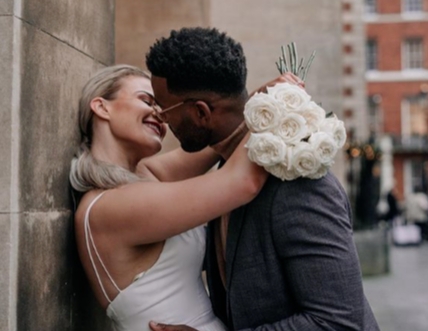
The Bouquet Toss The bouquet toss originated in 15th century Britain, when women used to try to rip pieces of the bride's dress and flowers to gain some of her good luck. Over the years, this act has turned into a tradition where the bride passes on her good fortune to the single lady who catches the bouquet. Many brides are choosing not to have a traditional bouquet toss, with modern alternatives including passing the bouquet on to a close relative, giving it to the guests that have been married the longest or even having an arrangement that can break into many small bouquets.
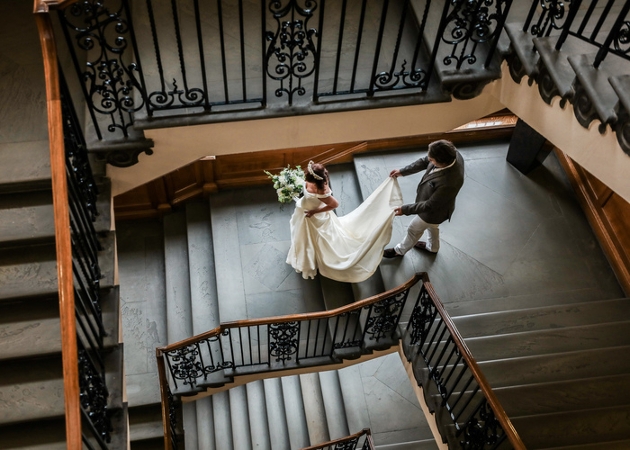
The Groom Can't See The Bride Before She Walks Down The Aisle This tradition dates back to when arranged marriages were the norm and more of a business deal between families. The couple wouldn't meet before the ceremony, in fear that they'd pull out of the marriage. Today, it's simply seen as unlucky to see your other half on the morning of your wedding. A modern take that is more popular overseas is a "first look" where the couple breaks tradition and shares some time together before the ceremony, taking their first look at each other away from guests.
Gail Bradley, Wedding Planner at The Grand, York commented: "Couples are no longer tied to traditions on their wedding day and are free to decide which traditions mean something to them. Mix up the traditions and put a modern spin on things if you wish. Lots of traditions also originated for brides and grooms, so if you're having a same sex wedding pick which ones suit you and make them your own".
The A/W 2026 wedding trends: softer tailoring, richer tones and seasonal florals
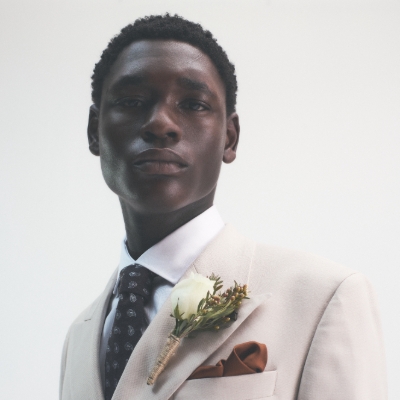
From chocolate and camel tailoring to dahlias and trailing amaranthus, autumn/winter weddings are embracing richer colours and softer styling. As the autumn/winter wedding season gets underway, couples are moving away from rigid, perfectly matched styling in favour of looks that feel more relaxed, personal and connected to the season. Jess Levick, Assistant Buyer at Suit Direct, shares the key tailoring and styling trends shaping A/W 2026 occasionwear, alongside Lucy Hook, Floral Lead at Bloom & Wild, who reveals the flowers, colours and textures set to be popular for bouquets and displays this season.
READ ARTICLE
What to do now to get your finances ready for 2027
Aileen Robertson, Tesco Bank's Head of Savings, has shared ways soon-to-be-wedded couples and newlyweds can build healthy savings habits and step into 2027 feeling more confident about their shared futures! Aileen Robertson, Head of Savings at Tesco Bank, comments: "The start of a new year often feels like the perfect opportunity for a fresh start, with people embracing resolutions and looking to turn over a new leaf. But creating new habits can take time as people settle back into their routines, and sometimes those good intentions never quite get off the ground. "If you're trying to stay on top of your finances in 2027, taking small steps now can make that journey much easier. It's important to remember that it's never too late, or too early, to start working towards your goals. Setting them is the first step, whether they're big or small, so think about what you want your money to do for you. From here you can start to work towards your goals, building good savings habits along the way, and see your money grow over time."
READ ARTICLE
Yankee Candle® launches limited-edition The Traitors collection
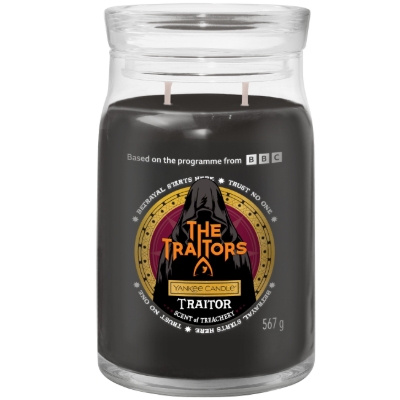
Fans of the BBC's hit reality show The Traitors can bring a little intrigue into their homes this autumn with a limited-edition candle collection from Yankee Candle. Inspired by the BAFTA-winning series, the new collection features two Signature Large Jar Candles: Faithful and Traitor. Each fragrance represents a different side of the game, inviting fans to choose their allegiance while settling in for the latest round of suspicion, secrets and unexpected reveals. Faithful is designed to evoke comfort and calm, blending cashmere vanilla and rose with a warm amber base. Its soft, powdery fragrance is ideal for cosy evenings spent analysing clues and debating who can be trusted.
READ ARTICLE
Traitors, Bake Off and Strictly: the TV-inspired hen dos you can actually book
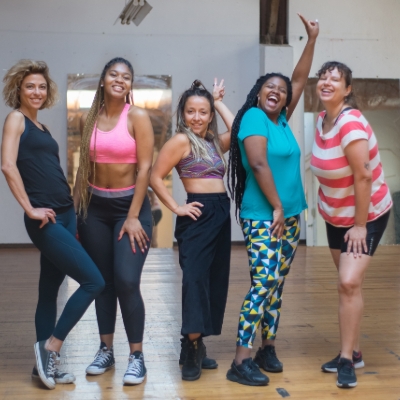
With The Traitors, Strictly Come Dancing and The Great British Bake Off all back on our screens, hen and stag parties can take inspiration from some of the nation's favourite TV shows. Chillisauce is offering groups the chance to recreate the drama, dancing and baking challenges for themselves, with experiences designed to bring a little competitive spirit to pre-wedding celebrations. Whether you fancy uncovering a secret traitor, putting your baking skills to the test or learning a new dance routine, there are options to suit a range of groups and locations across the UK. Discover three TV-inspired hen and stag party ideas, from murder mystery experiences in 26 locations to baking challenges and themed dance classes....