The Countdown Begins: Your Wedding Planning Checklist
The process of planning out your dream wedding day is an exciting and exhilarating time that many eagerly look forward to doing their whole life. With this said, it can also be quite a stressful time too, with so many different attributes to your wedding needing to be organised and thought of.
Before even contemplating how much your big day will cost and who you're going to invite, the questions of where and how to even start planning your wedding is something on everyone's mind at first. Thanks to technology impacting the majority of aspects in our day-to-day lives, there are an abundance of wedding planner apps you can use. Making your wedding planner checklist only a finger tap away at all times. With restrictions on wedding guest numbers recently lifted alongside an end to all social distancing rules, we're beginning to return to normal. Here, we present a step-by-step guide to your wedding planning checklist and outline when exactly the right time to plan for the next step is.
T-minus 12 months+ First things first, decide what date you're going to host your wedding on. Depending on whether you prefer a cool winter setting, warm summer skies, or a colourful fall season, you must first choose what day your ceremony is going to be on.
Once the date is set, decide who has made it onto the guest list and send out save-the-date cards to them so they know well in advance to keep their schedules free – after all, you wouldn't want anyone missing out!
Then, determine your budget. The average cost of a wedding in the UK is now £16,005 – definitely not something your bank account will take lightly. So, deciding what the maximum you're willing to spend on your wedding will be is an integral part of the initial planning stage.
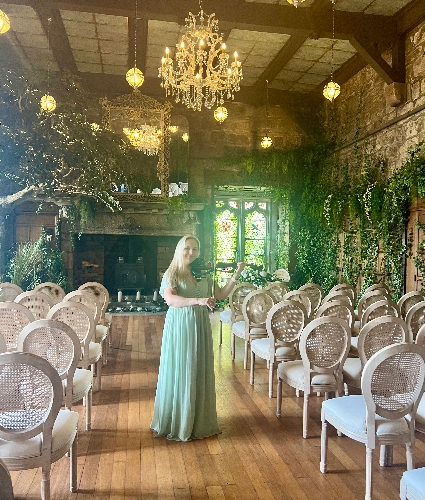
Once your budget is set, search around for your dream venue. Whether it's in your favourite vineyard or a wedding venue in the Lake District to reflect your love for the countryside, the sooner you book your venue for the ceremony, the more likely you are to find availability on the exact date you had in mind. When doing this, it's important to consider the size of the venue and the number of guests you will have attending.
Now that the venue is sorted, make sure to contact all the other contributors involved in the ceremony. This can consist of everyone including the photographer, minister, florist, band/entertainment provider—the choice is yours.
T-minus 8 months As the months before your wedding day approach, now is the time to book the band or entertainment source you've had in mind. Some people may have already done this in advance and if so, great! You can never be too organised.
Other than the entertainment, make sure the photographer and videographer have been booked by this stage too, just to make sure they aren't doubled-booked.
Another integral part of any wedding is, of course, the cake. Although ordering a cake eight months in advance of an event seems almost too organised, this will make sure that you have first choice about when your cake tasting day can be, allowing plenty of time for your pâtissier to create the masterpiece. If you're wanting to stay at the venue or nearby it overnight, now is the time to start booking hotel rooms or suites needed. Speaking of staying away, thinking of places to spend your honeymoon at is another thing to add to the list of things to organise at this point in the wedding checklist. Although this is one of the most exciting parts about the after-events of a wedding, don't stress yourself out too much over it — the world holds plenty of beautiful and romantic places to visit!
Although its early days to be deciding for sure what the theme of your wedding is going to be, coming up with a few ideas and shopping around for potential décor is a side note you might want to add to the list.
T-minus 6 months Now for the fun part. You may have already started to shop for a dress before six months prior to your wedding, but if not, now is the time to start! Try to visualise what your dream wedding dress would be and make sure to explore all the dress shops there are before finding the perfect one. As for the alterations that might be needed, it's best to go for a few fittings before making any adjustments permanent and get the final alterations done between two to three months before the big day.
The same applies to bridal dresses too! Make sure to put some time aside to shop for your bridesmaids' dresses and arrange for any alterations they might need. One more thing ticked off the list. In the meantime, make a final decision on the theme you want to achieve. If it's a vintage-inspired theme you're going for, or alternatively modern, or perhaps it's a style entirely unique to you and your partner, make sure to start purchasing the décor at this stage or contact a décor rental company if you prefer.
Other than the main day itself, you have other festivities to organise too—such as the stag and hen party. After deciding who you want to have a few celebratory drinks with, let them know in advance about the date and activities you have in mind to make sure they have a free schedule.The next part of the planning stage may not be the most exciting thing to organise—but checking all the legality aspects of your wedding are sorted is essential.
T-minus 4 months As the build-up to your big day commences, there are still some additional things to add to the to-do list. For those that haven't organised the extra finishing touches to your wedding day already, you need to:
Order or design your wedding invitations and send them to guests
Shop for suits for the groom and groomsmen
Book a day to meet with your florist to discuss the options available
Decide what wedding transport you want
Make an appointment with your makeup artist and hairdresser
Once these are sorted, you're one step closer to hosting a wedding day success!
T-minus 2 months It's almost time. These next two months are all about polishing off the extra additions you need to create the ultimate dream wedding day. If you haven't already, make sure to have all alterations made to your dress finalised, ready for the day. Other than the dress, you'll need some additional accessories and shoes to match with it, so a shopping trip should be on the cards. Also, don't forget the rings! Make sure both you and your partner have decided on the wedding rings you're going to use to tie the knot.
Other than that, before you say yes to the food your venue or caterer has prepared, find time to have a menu tasting day to make sure the feast is something every guest can enjoy. And finally, write a list of all the gifts you want to buy for those closest to you, and watch as your wedding day unravels to be a huge success.
The A/W 2026 wedding trends: softer tailoring, richer tones and seasonal florals
From chocolate and camel tailoring to dahlias and trailing amaranthus, autumn/winter weddings are embracing richer colours and softer styling. As the autumn/winter wedding season gets underway, couples are moving away from rigid, perfectly matched styling in favour of looks that feel more relaxed, personal and connected to the season. Jess Levick, Assistant Buyer at Suit Direct, shares the key tailoring and styling trends shaping A/W 2026 occasionwear, alongside Lucy Hook, Floral Lead at Bloom & Wild, who reveals the flowers, colours and textures set to be popular for bouquets and displays this season.
READ ARTICLE
What to do now to get your finances ready for 2027
Aileen Robertson, Tesco Bank's Head of Savings, has shared ways soon-to-be-wedded couples and newlyweds can build healthy savings habits and step into 2027 feeling more confident about their shared futures! Aileen Robertson, Head of Savings at Tesco Bank, comments: "The start of a new year often feels like the perfect opportunity for a fresh start, with people embracing resolutions and looking to turn over a new leaf. But creating new habits can take time as people settle back into their routines, and sometimes those good intentions never quite get off the ground. "If you're trying to stay on top of your finances in 2027, taking small steps now can make that journey much easier. It's important to remember that it's never too late, or too early, to start working towards your goals. Setting them is the first step, whether they're big or small, so think about what you want your money to do for you. From here you can start to work towards your goals, building good savings habits along the way, and see your money grow over time."
READ ARTICLE
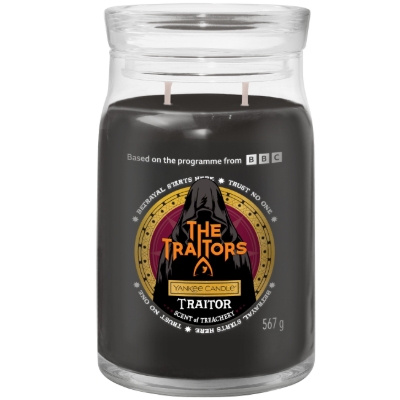
Yankee Candle® launches limited-edition The Traitors collection
Fans of the BBC's hit reality show The Traitors can bring a little intrigue into their homes this autumn with a limited-edition candle collection from Yankee Candle. Inspired by the BAFTA-winning series, the new collection features two Signature Large Jar Candles: Faithful and Traitor. Each fragrance represents a different side of the game, inviting fans to choose their allegiance while settling in for the latest round of suspicion, secrets and unexpected reveals. Faithful is designed to evoke comfort and calm, blending cashmere vanilla and rose with a warm amber base. Its soft, powdery fragrance is ideal for cosy evenings spent analysing clues and debating who can be trusted.
READ ARTICLE
Traitors, Bake Off and Strictly: the TV-inspired hen dos you can actually book
With The Traitors, Strictly Come Dancing and The Great British Bake Off all back on our screens, hen and stag parties can take inspiration from some of the nation's favourite TV shows. Chillisauce is offering groups the chance to recreate the drama, dancing and baking challenges for themselves, with experiences designed to bring a little competitive spirit to pre-wedding celebrations. Whether you fancy uncovering a secret traitor, putting your baking skills to the test or learning a new dance routine, there are options to suit a range of groups and locations across the UK. Discover three TV-inspired hen and stag party ideas, from murder mystery experiences in 26 locations to baking challenges and themed dance classes....